
EconomyAnalysis
Fed's New Calendar: Fewer Rate Votes Starting 2027
Fed Chair Kevin Warsh will cut rate votes to seven in 2027 and six in 2028 while keeping eight meetings. Barron's warns longer gaps could widen uncertainty.
Amara Okafor8 min read
Macro trends, central banks, growth and the forces shaping the world economy.
18 Articles
Fed Chair Kevin Warsh will cut rate votes to seven in 2027 and six in 2028 while keeping eight meetings. Barron's warns longer gaps could widen uncertainty.
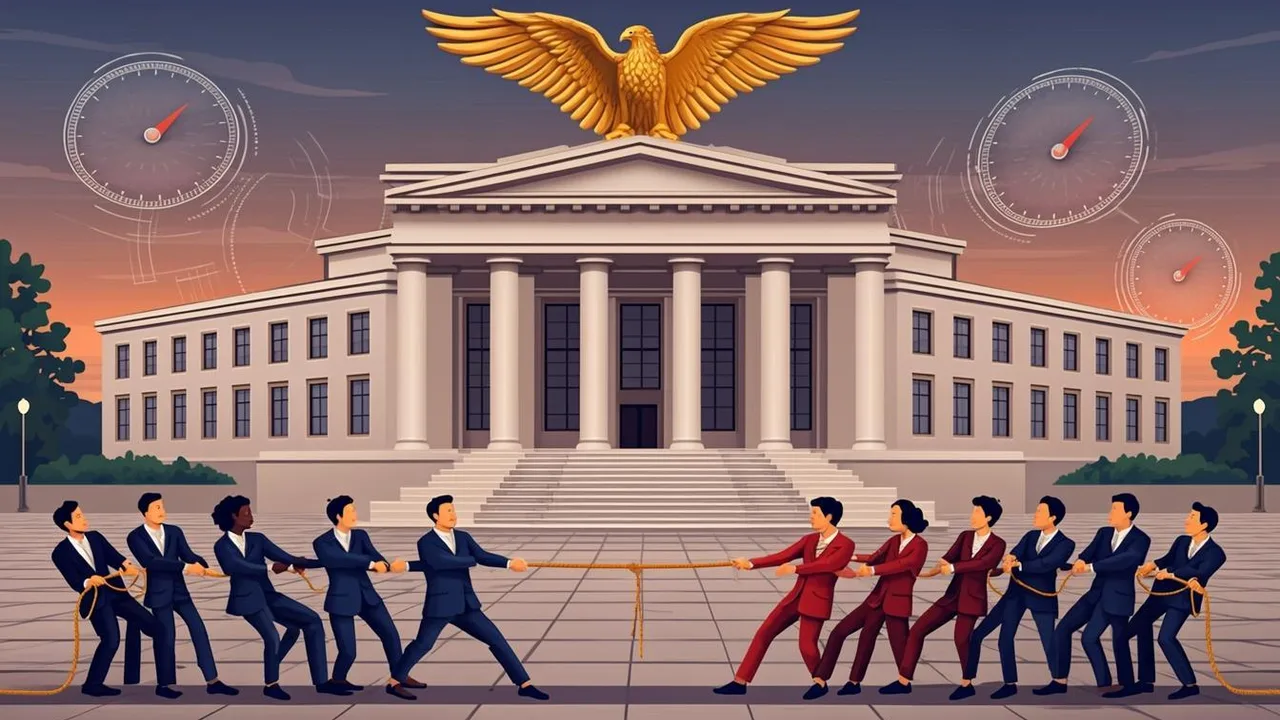
The Fed rate decision for November 2026 lands Wednesday: a third straight hold at 3.75%-4.00% looks likely. Here is what could change the outcome.

Headline PCE inflation held at 3.6% in September 2026 while the Fed stayed on hold — and two dissents have put a December hike back on the table.
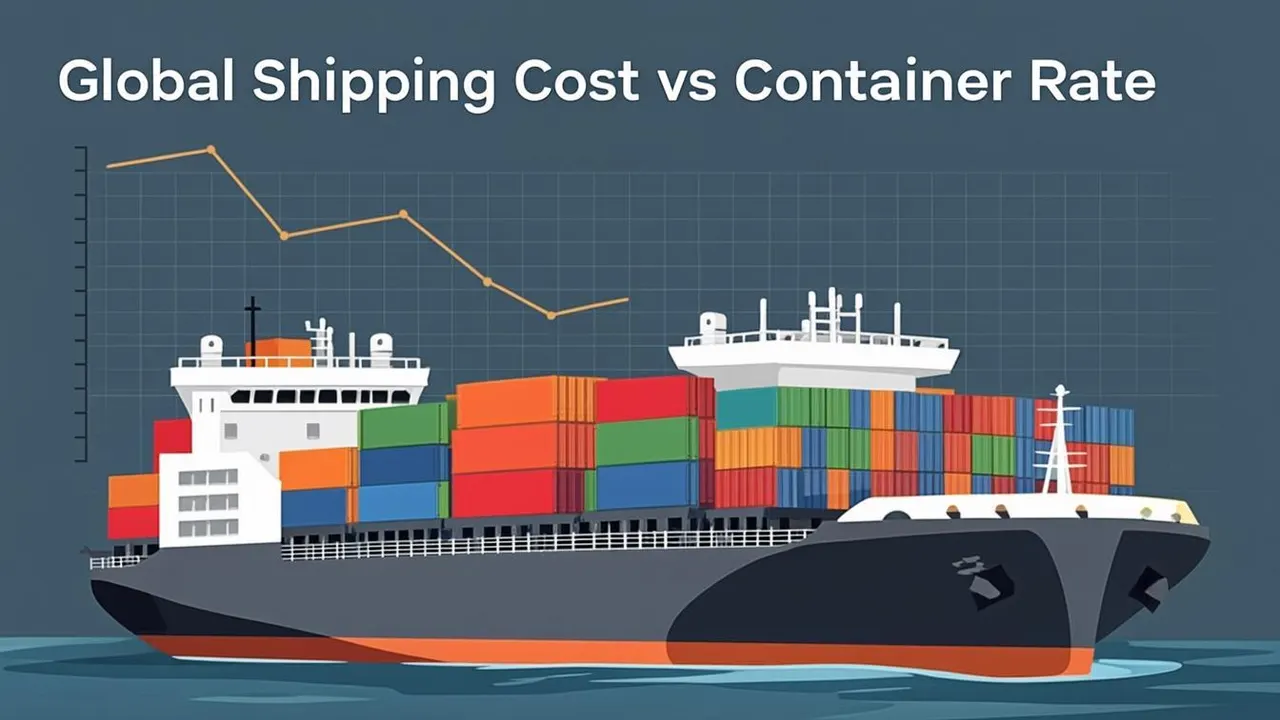
The global shipping costs outlook for Q4 2026 points to calmer freight markets, yet tariff front-running, capacity swings and reroutes still shape importer budgets.

The latest CPI data shows inflation picking up again, complicating the Fed's path and squeezing household budgets.
After September's rate hike and with another increase projected for December, borrowing costs are set to keep climbing for Americans carrying card balances — and columnists now call balance-transfer cards the best weapon against rising debt.
The low-hire, low-fire economy just turned three — the strangest US job market on record, as MarketWatch reported. Here is what three years of frozen hiring mean for wages, careers, young workers and productivity.
Declining logistics costs signal supply chain normalization, even as workforce challenges persist and freight costs shift across segments.
BreakingPolicymakers in major economies hinted at patience on rate cuts, pointing to services inflation and firm labor markets despite softer growth signals.
While goods prices have cooled in recent months, services inflation continues to drive overall price increases, creating a persistent core inflation challenge for central banks.
The final stretch of disinflation has historically proven the most challenging, particularly after the pandemic cycle's unique economic disruptions.

As global debt reaches unprecedented heights, understanding its implications for everyday finances is crucial. This analysis explores how public debt sustainability impacts interest rates, savings, and mortgages for ordinary people.