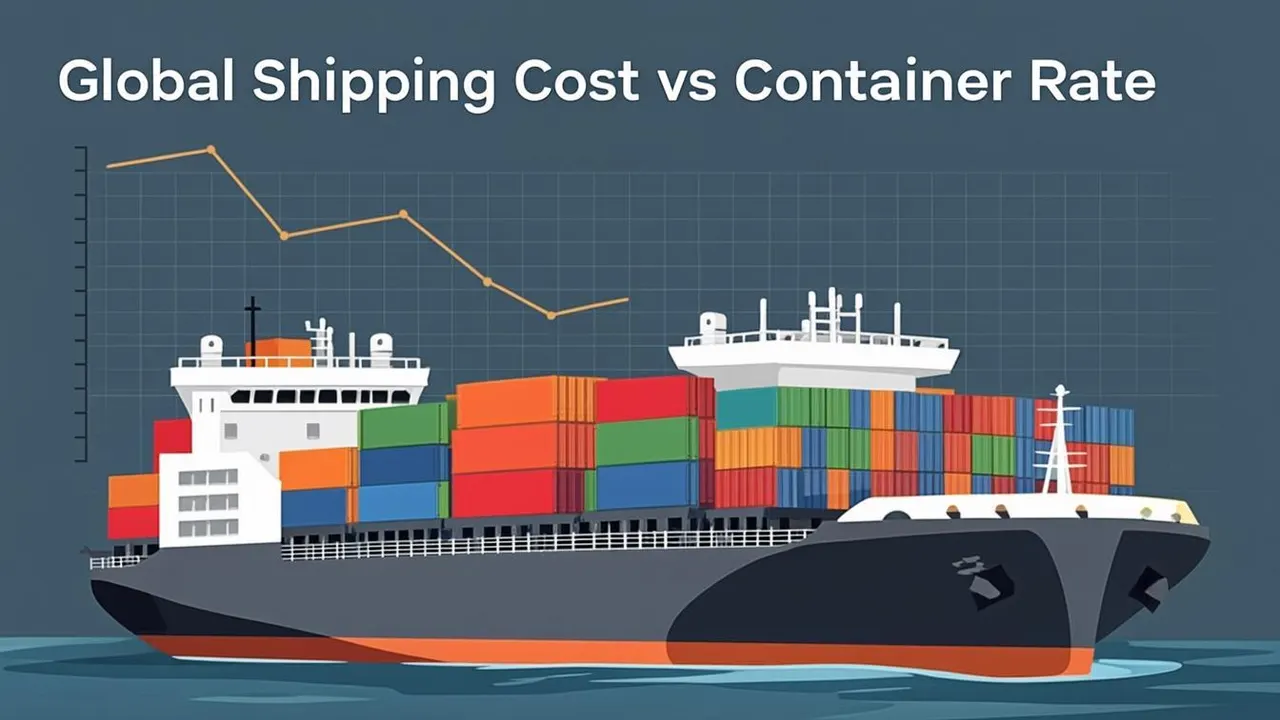
For two years, the line item that made importers wince was freight. The global shipping costs outlook for Q4 2026 is finally friendlier: container rates have retreated from their peaks, capacity is ample, and the panic premium that defined 2024 has largely left the market. But calm is not the same as cheap, and anyone budgeting for 2027 shipments should read this year's final quarter carefully.
This guide looks at where freight rates actually stand at the end of October 2026, why they have eased, which risks could reignite them, and how small and mid-sized importers should plan their logistics budgets for the year ahead.
Key Takeaways
- Spot container rates in late October 2026 sit well below their recent peaks, and carriers have struggled to push through general rate increases.
- The Red Sea diversions that inflated 2024 costs have become a normalized, priced-in part of network planning.
- Newbuild capacity delivered through 2025 and 2026 has restored the supply-demand balance in importers' favor.
- The main upside risks for 2027 budgets are tariff-driven demand surges, port congestion, and fuel-cost volatility.
Where Freight Rates Stand in Late October
Spot rates on the major east-west trade lanes have spent the autumn drifting lower, with the usual pre-holiday seasonal bump arriving late and shallow. Carriers have responded with blank sailings — cancelled departures that remove capacity and support rates — but shippers report that the tactic has lost much of its sting now that fleets have grown.
The numbers tell a story of normalization. Industry trackers reviewed by the TradePulse economy desk show rates on headline lanes have settled into a band that most importers would have considered normal before the pandemic years. For contract shippers, annual tender negotiations opening this quarter are starting from a far more comfortable baseline than a year ago.
Not every lane is calm. Niche routes, smaller regional trades, and lanes touching congested ports still carry premiums. But the overall picture is the opposite of the crisis years: today the buyer, not the carrier, holds the leverage for most standard container moves.
Why Shipping Costs Are Easing — and Why It Is Fragile
Three forces produced the easing. First, capacity: the record newbuild orderbook from 2021-2022 has been delivering vessels through 2025 and 2026, and fleet growth has outpaced cargo volume growth. Second, demand discipline: inventory-heavy Western retailers spent 2025 working down the overstocks they built during the freight crisis, restraining new orders. Third, network stability: the diversions around the Red Sea added cost and absorbed capacity when they began, but networks have since been redesigned around them, so the surprise factor is gone.
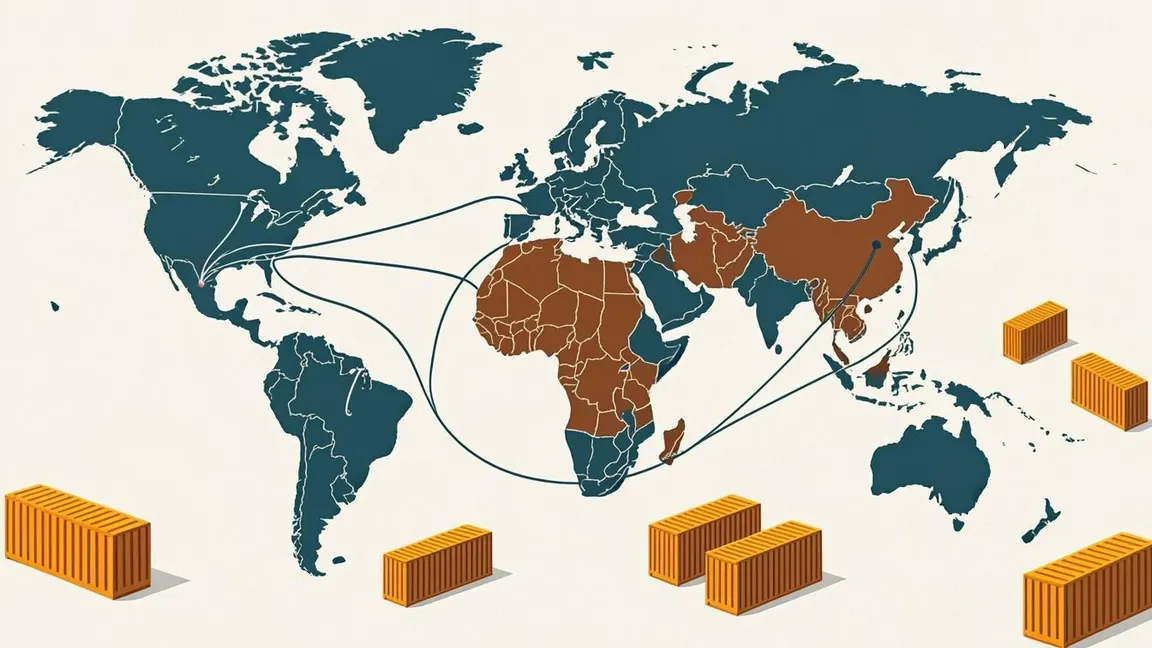
The fragility comes from the same list. Capacity is easy to add and hard to remove; if carriers coordinate blank sailings more aggressively during the Lunar New Year lull, rates could firm quickly. A fresh escalation affecting the Suez route or the Strait of Hormuz would instantly re-tighten effective capacity. And any trade-policy surprise that pulls demand forward — importers rushing to beat a tariff deadline — can congest ports and spike spot rates within weeks, as the tariff front-running episodes of the past two years demonstrated repeatedly.
How Importers and Small Businesses Should Budget
The practical advice from logistics managers we follow is to budget for stability but insure against spikes. That means anchoring 2027 plans around current contract-rate levels rather than the crisis-era numbers that still haunt some internal forecasts, while keeping a contingency line of roughly ten to twenty percent on ocean freight for the first half of the year.
Small importers without contract leverage have options too. Freight forwarders have been competing hard for volume this autumn, and shippers report meaningful savings simply by running competitive quotes across three or four forwarders instead of defaulting to the incumbent. Consolidation services — grouping smaller volumes into full containers — remain one of the most reliable cost tools for businesses shipping less than a container at a time.
Diversification is the other lever. Importers who shifted a share of sourcing to nearer suppliers after 2024 have found that the premium they pay for shorter, faster lanes buys resilience as much as speed. The economics of that trade-off improve every time a long-distance lane congests.
What to Watch Heading into 2027
Three signposts matter for the next two quarters. Watch the Lunar New Year factory shutdowns in Asia — the depth of pre-holiday cargo rushes and post-holiday blank sailings will set the tone for spring rates. Watch port congestion indices on both sides of the major trade lanes; they are the earliest warning that spot rates are about to move. And watch trade policy: every major tariff announcement of the past two years produced a front-running surge that temporarily inverted the freight market's comfortable balance.
For businesses that depend on moving physical goods, freight is only one part of the cost picture. Border-processing times matter too — our practical guide to AI customs clearance explains how automated document handling is cutting dwell time — and the financing side has its own dynamics, which we examined in our recent review of emerging market fintech IPOs.
The Green Factor Nobody Budgets For
One line item is rising while everything else falls: the carbon cost of moving goods. Emissions-trading schemes that now cover shipping in European waters, and the industry's broader decarbonization commitments, are steadily adding a fee to every ton-mile. For most importers the amount is still small relative to the freight bill itself, but the direction is one-way, and shippers who model it into 2027 budgets now will avoid the surprise their competitors will feel later.
The fuel transition complicates the picture further. Carriers experimenting with lower-carbon fuel blends pass the premium through as surcharges, and the accounting is not yet standardized — two carriers can quote what sounds like the same service with meaningfully different carbon costs embedded. Importers with sustainability commitments, or whose large retail customers impose supply-chain emissions reporting, should treat freight emissions data as a negotiating item in this quarter's contracting round, not as a compliance afterthought.
FAQ
Are container shipping rates expected to rise or fall in 2027?
Most forecasters expect rates to stay broadly stable with a mild upward drift as capacity growth slows, but the honest answer is that policy surprises have driven the biggest moves of the past two years, not supply and demand. Budgeting for a ten to twenty percent band around current levels is a reasonable planning assumption for the first half of 2027.
Why did shipping get so expensive in 2024?
A combination of pandemic-era demand, port congestion, and the Red Sea diversions that forced ships onto longer routes around Africa removed effective capacity exactly when cargo volumes surged. Those conditions have since unwound: capacity has grown, inventories normalized, and networks were redesigned around the diversions.
How can small businesses reduce freight costs now?
Run competitive quotes across several forwarders, consolidate shipments into full containers where possible, consider slower transit options when inventory allows, and review Incoterms to make sure cost responsibilities are allocated deliberately rather than by habit. Small shippers often find the largest savings in process, not price negotiation.
The Bottom Line
The global shipping costs outlook for Q4 2026 rewards preparation over panic. Rates are calm, leverage sits with shippers, and the tools to keep it that way — competitive quotes, consolidation, diversified sourcing — are available to businesses of every size. Follow our Economy coverage as the 2027 contracting season unfolds.





Comments(0)
Share your thoughts. Comments are moderated and links are not allowed.
No comments yet. Be the first to share your view.
Add a comment