
Election Day on Wall Street: S&P 500 Faces the Midterm Test
The S&P 500 closed at 7,541.40 on election eve as a 1.1% rally evaporated. The year after midterms has averaged a 13.7% gain — but reaction day often stings.
James Whitfield8 min read
Stocks, bonds, currencies and commodities moving global markets.
20 Articles
The S&P 500 closed at 7,541.40 on election eve as a 1.1% rally evaporated. The year after midterms has averaged a 13.7% gain — but reaction day often stings.

The S&P 500 starts election week at 7,580.07. Three catalysts in five days — the vote, the Fed, payrolls — decide if the 14.5% post-midterm pattern pays out.

Gold should have thrived on war, falling yields and a softer dollar this week. Instead, the gold price fell below $4,000 and closed its worst October since 2008.

The Nasdaq fell about 3% on October 30, 2026 — its worst day since June — as Amazon and Intel results deepened doubts about AI spending on Wall Street.
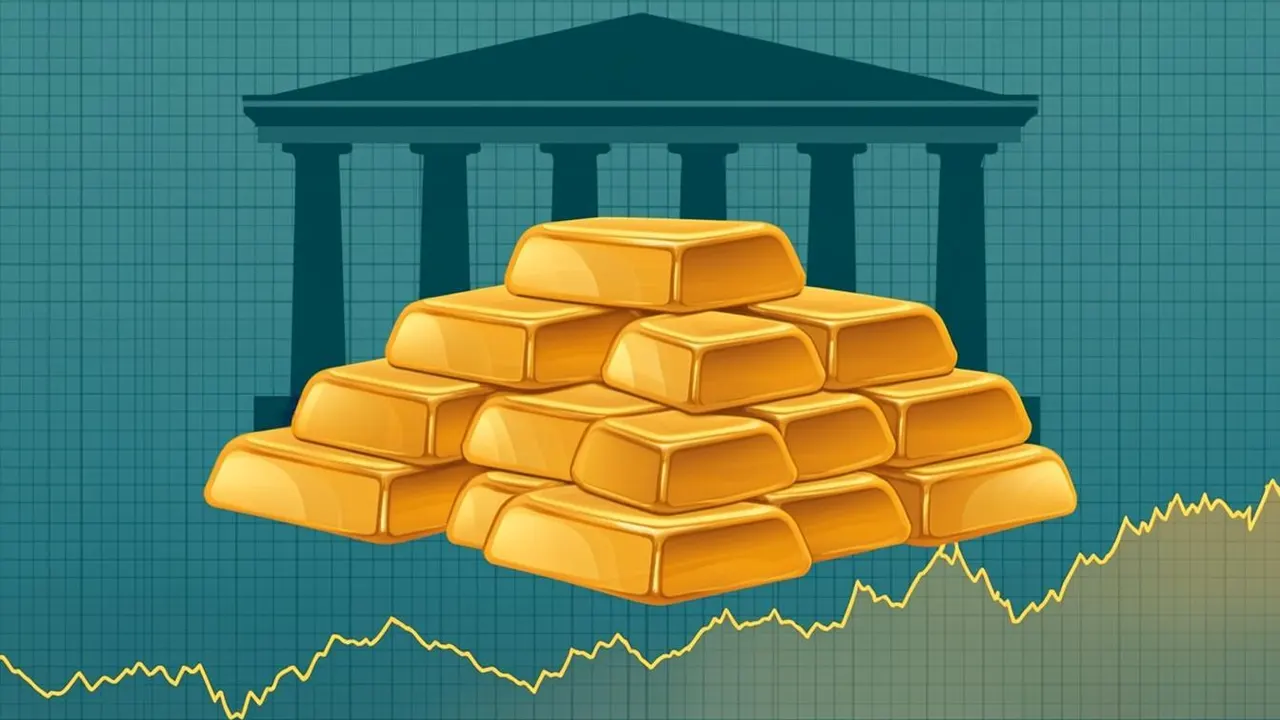
Our gold price forecast this week examines why central bank demand and steadier rate expectations keep a firm floor under bullion heading into November 2026.

Amazon's commitment to heavy AI investments and Intel's cash burn warning trigger a broad market selloff, highlighting the growing tension between tech giants' capital expenditures and shareholder returns.
Alphabet's stock formation signals caution, but the AI growth story remains central to its long-term prospects.
The debate over the Federal Reserve's October rate pause is intensifying as market focus shifts to Treasury funding plans, where reduced long-term bond supply could boost demand and pull yields lower ahead of a projected December hike.
Alphabet shares are on track for their worst trading day ever after cloud revenue doubled but failed to calm investor fears that AI is undermining search monetization, sending the stock into bearish territory and a death cross.
The FOMC meets October 28–29 with the fed funds rate at 3.50%–3.75% and futures pricing barely a 17% chance of a hike. Here is how each scenario plays out across stocks, gold and oil.
As stock markets remain near record highs, rising long-term bond yields suggest a divergence in economic outlook, with investors pricing in different futures for growth and inflation.

In times of economic uncertainty, investors are increasingly weighing traditional safe havens. This analysis compares the appeal of gold and government bonds as assets for preserving capital in volatile markets.