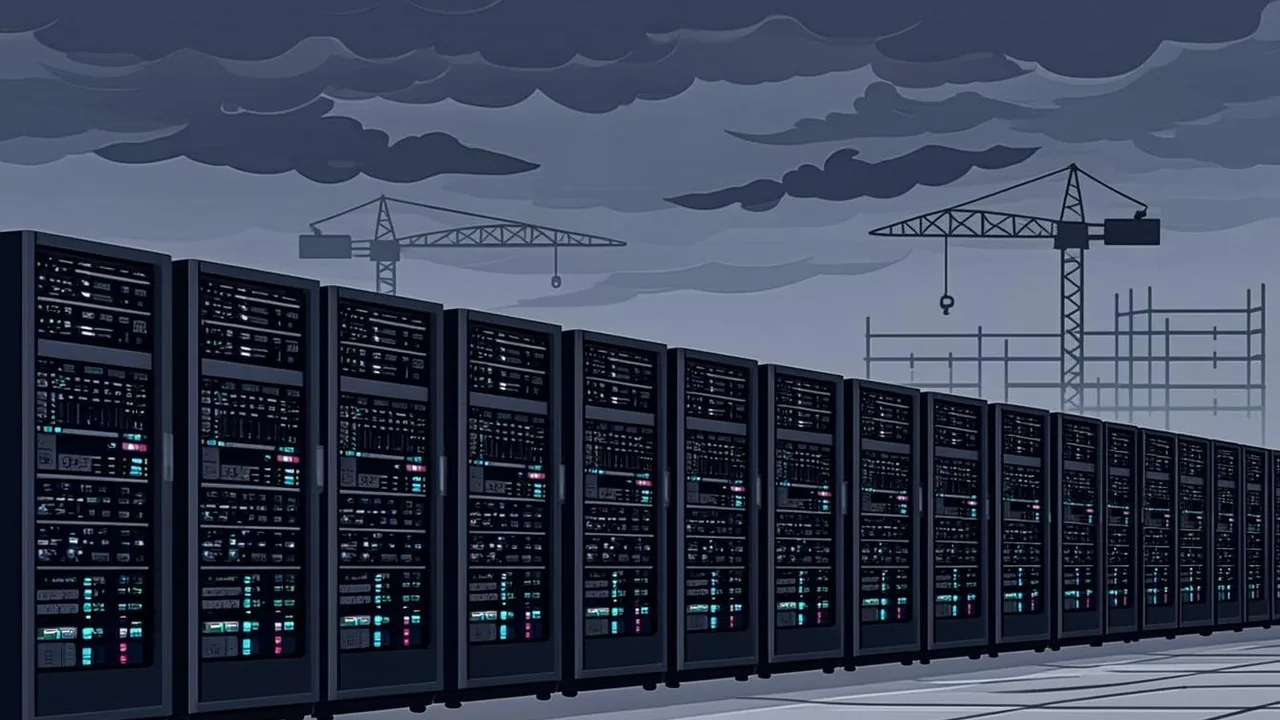
Big Tech's $800 Billion AI Bet Meets a Market in Retreat
Five hyperscalers have committed $800.6 billion to AI spending in 2027. After Friday's $1 trillion tech wipeout, investors want to know who pays for it.
10 results for “export controls”

Five hyperscalers have committed $800.6 billion to AI spending in 2027. After Friday's $1 trillion tech wipeout, investors want to know who pays for it.

Meta is in talks to spend billions on Google TPUs — the report that knocked Nvidia down 2.2% and cracked open the question of AI chip pricing power.

AI chip export controls entered a new phase in 2026. This guide explains the licensing regime, who is affected, and what compliance teams should do before year-end.

From Gulf payments processors to Indian lending platforms, emerging market fintech IPOs are returning to the market with profits instead of just growth stories.

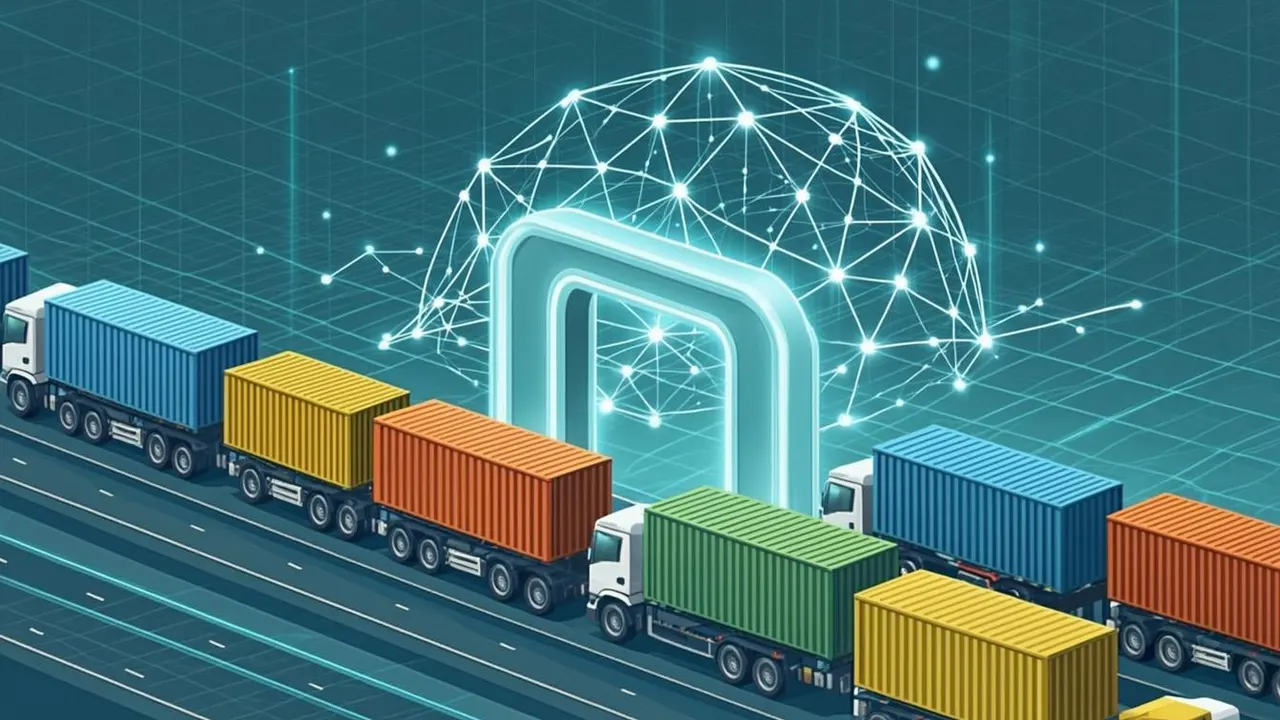
AI customs clearance is moving from pilot projects to everyday practice in 2026. This guide explains how automated border processing works and what traders should do now.

The semiconductor industry's unified optimism has fractured as AI executives publicly call for a pause, triggering a market selloff that raises questions about valuations and industry momentum.

Nvidia chief executive Jensen Huang has been caught up in a reported Chinese spy probe, per Investing.com, and AI stocks slid on the news — a jolt that pushes the chip war from commerce into personal and legal territory.

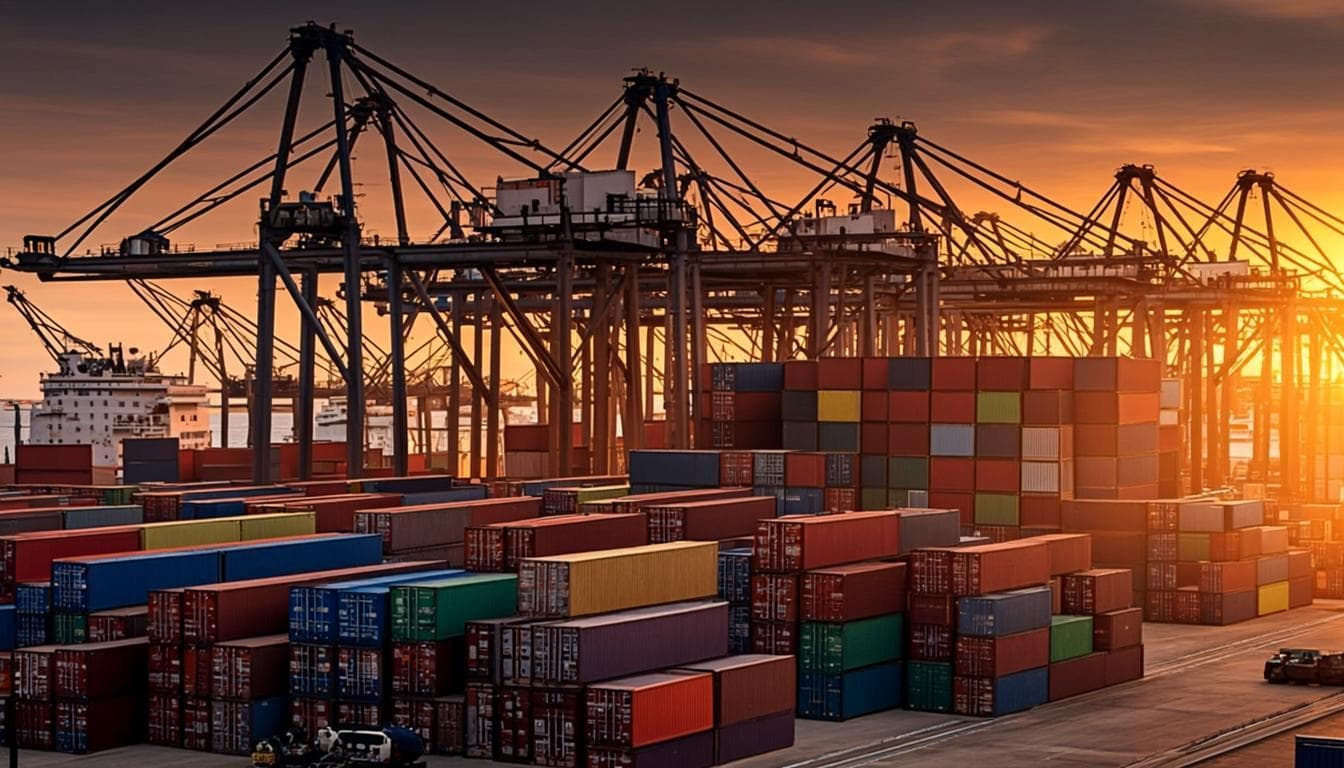
Understanding the fundamental differences between universal and targeted tariffs reveals their distinct impacts on global trade, consumer prices, and international relations.

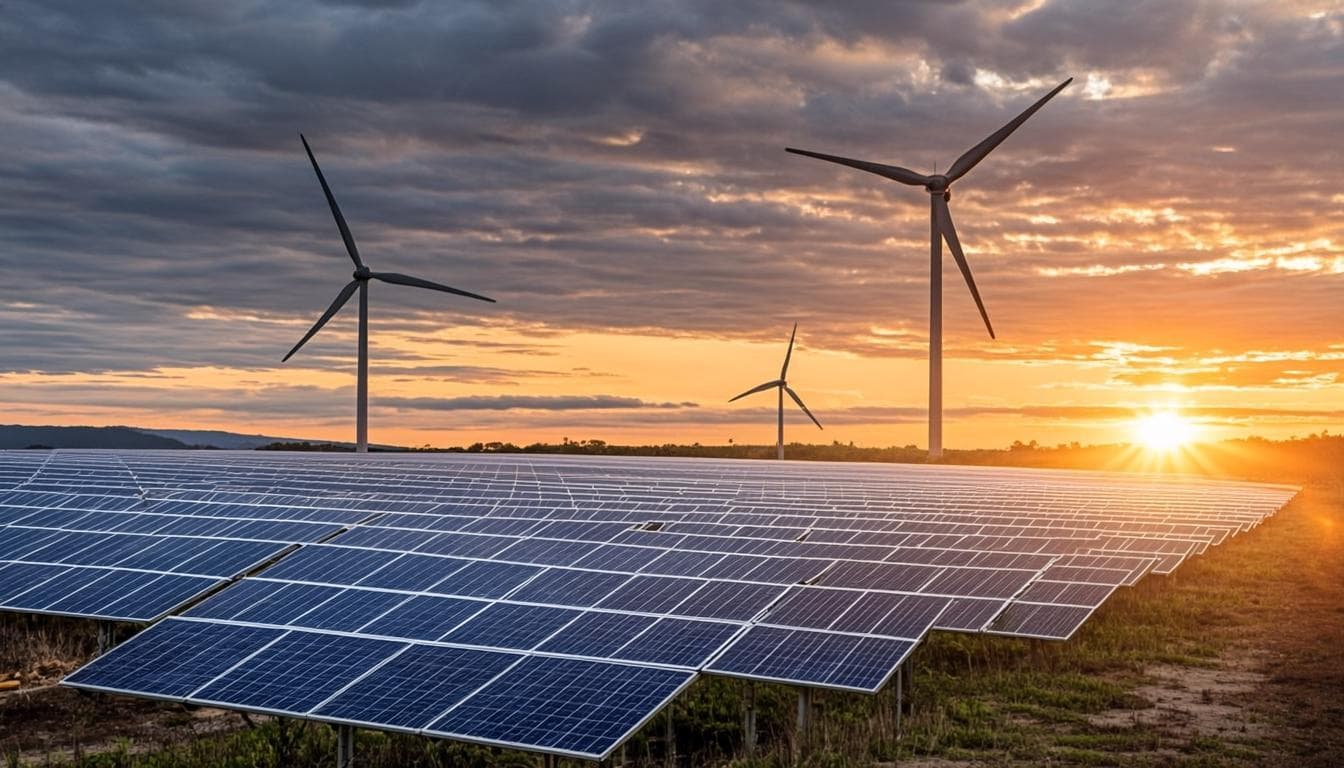
The global race for critical minerals is reshaping international trade relations as nations compete for resources essential to modern technology and clean energy transitions.

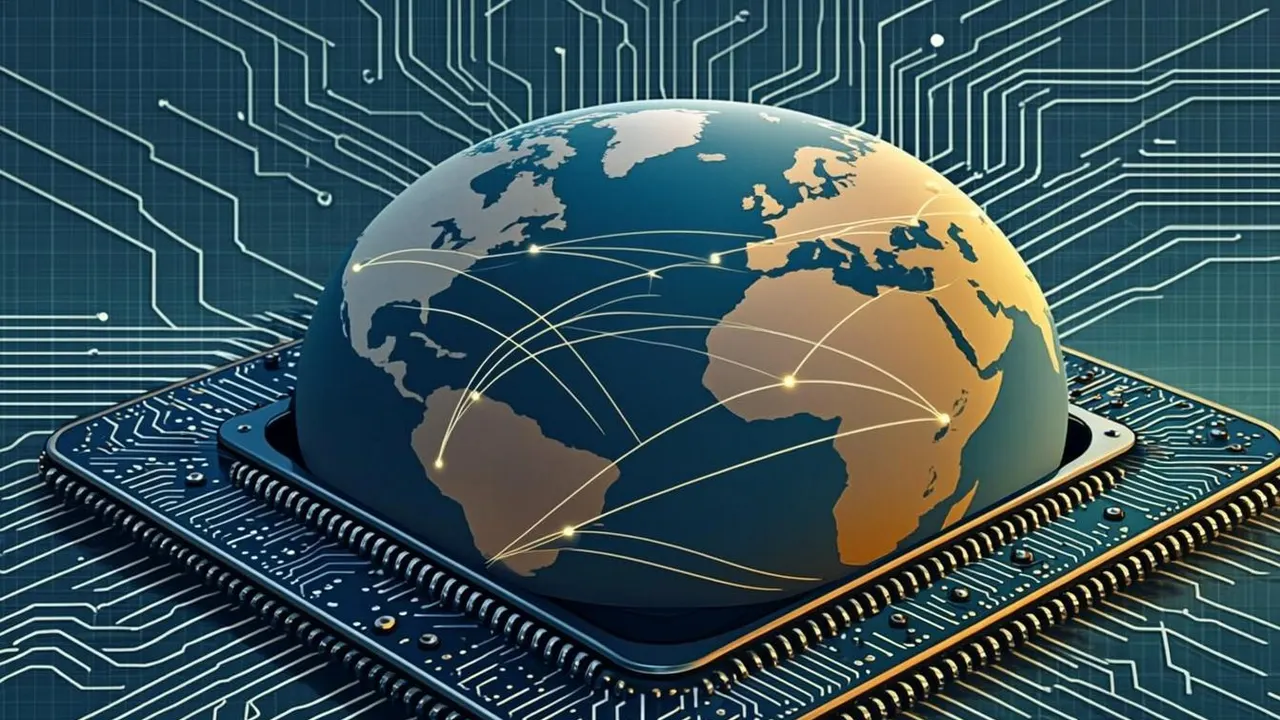
Semiconductors have evolved from mere components to critical geopolitical assets, driving nations to prioritize domestic production capabilities and technological sovereignty.