The Last Mile Problem: Why Final Inflation Targets Are So Hard to Reach
The final stretch of disinflation has historically proven the most challenging, particularly after the pandemic cycle's unique economic disruptions.
47 results for “economics”

The final stretch of disinflation has historically proven the most challenging, particularly after the pandemic cycle's unique economic disruptions.

Companies are shifting artificial intelligence from pilot projects into production systems, focusing on measurable productivity and cost discipline.

As interest rates remain elevated longer than expected, the housing market is experiencing significant structural shifts, with winners and losers emerging across different regions and market segments.

Understanding the fundamental differences between universal and targeted tariffs reveals their distinct impacts on global trade, consumer prices, and international relations.

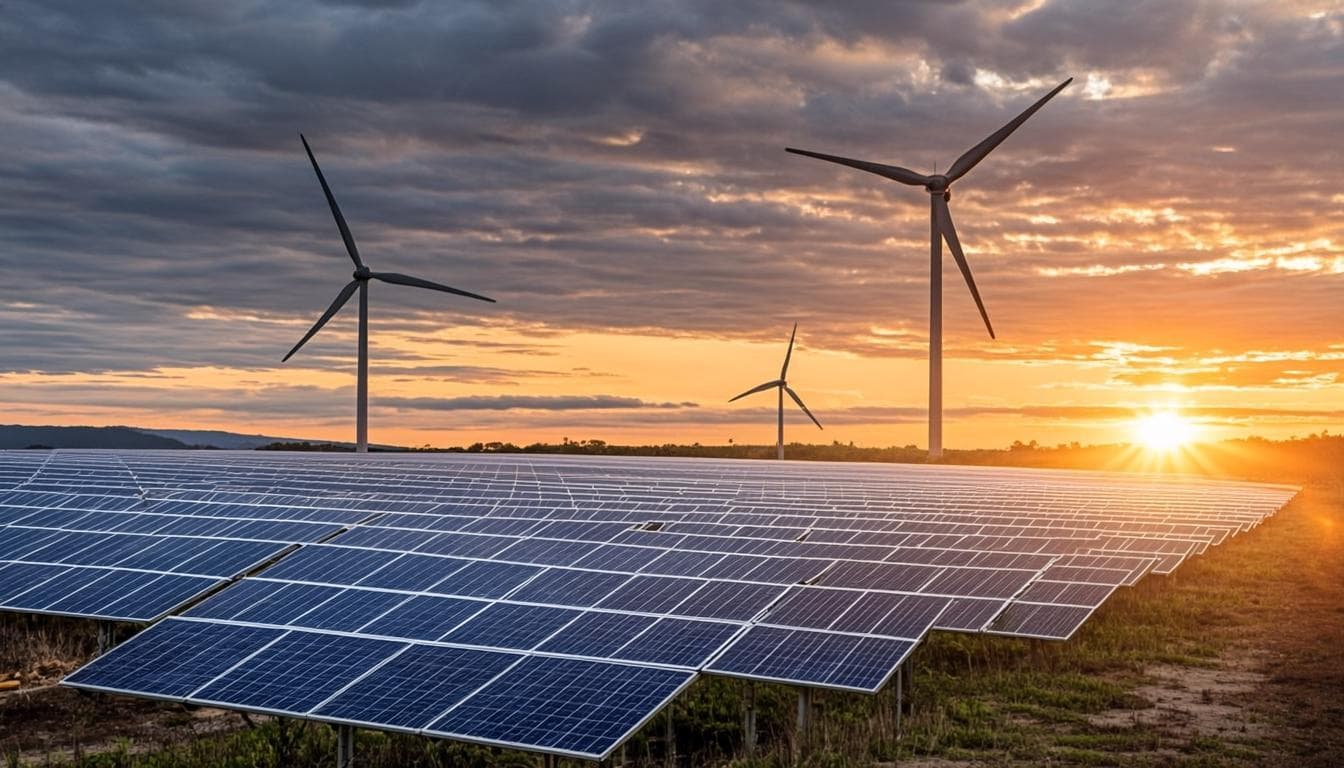
Record additions of solar and wind capacity in the developing world are reshaping global power markets and the investment case for clean energy.

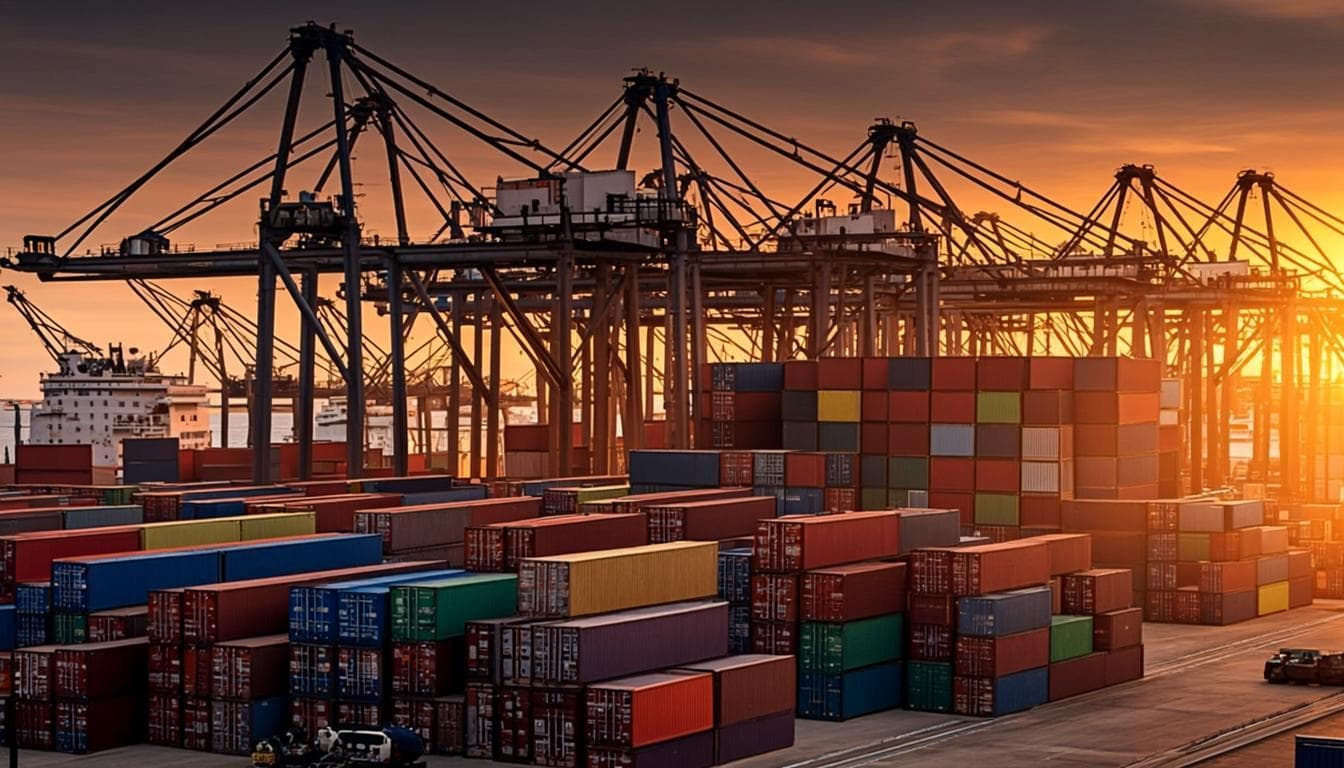
Maritime chokepoints like the Suez Canal and Strait of Hormuz serve as critical arteries for global commerce, with disruptions creating ripple effects that can last for months.

Digital transformation at customs is creating substantial savings for businesses through streamlined processes and reduced paperwork, though the full potential remains largely untapped.

The global logistics landscape is experiencing a dramatic divergence, with air cargo experiencing strong growth while ocean shipping stabilizes after pandemic disruptions.

Earnings reports provide crucial insights into corporate pricing power, revealing which companies can maintain margins despite economic pressures and which sectors face significant challenges.

Businesses are accumulating unprecedented cash reserves amid economic uncertainty, raising questions about future investment and growth.