
US Logistics Costs Fall to 7.8% of GDP as Supply Chains Normalize
Declining logistics costs signal supply chain normalization, even as workforce challenges persist and freight costs shift across segments.
Amara Okafor8 min read
18 results for “tariffs”
Declining logistics costs signal supply chain normalization, even as workforce challenges persist and freight costs shift across segments.
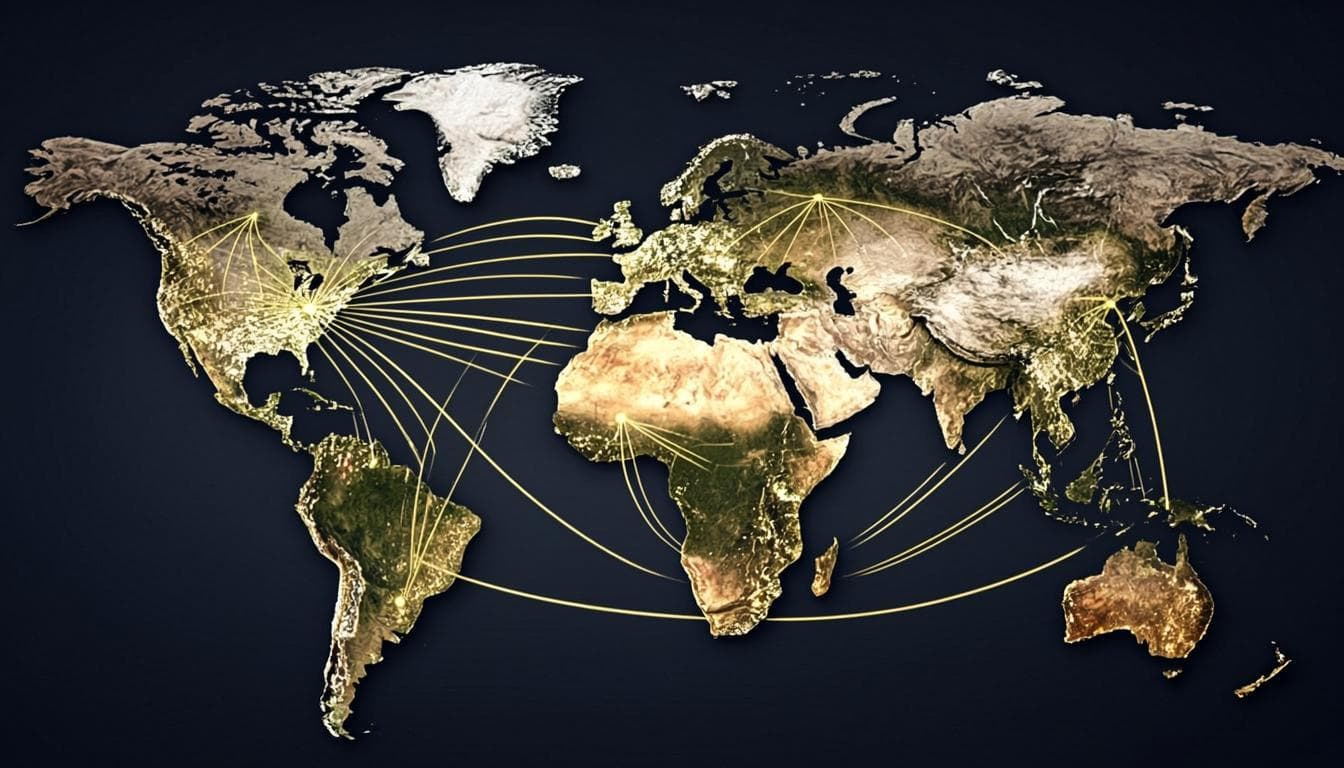
The global economy is showing a clear divergence between robust services sectors and struggling manufacturing industries, creating a two-speed economic landscape with distinct regional patterns and policy implications.
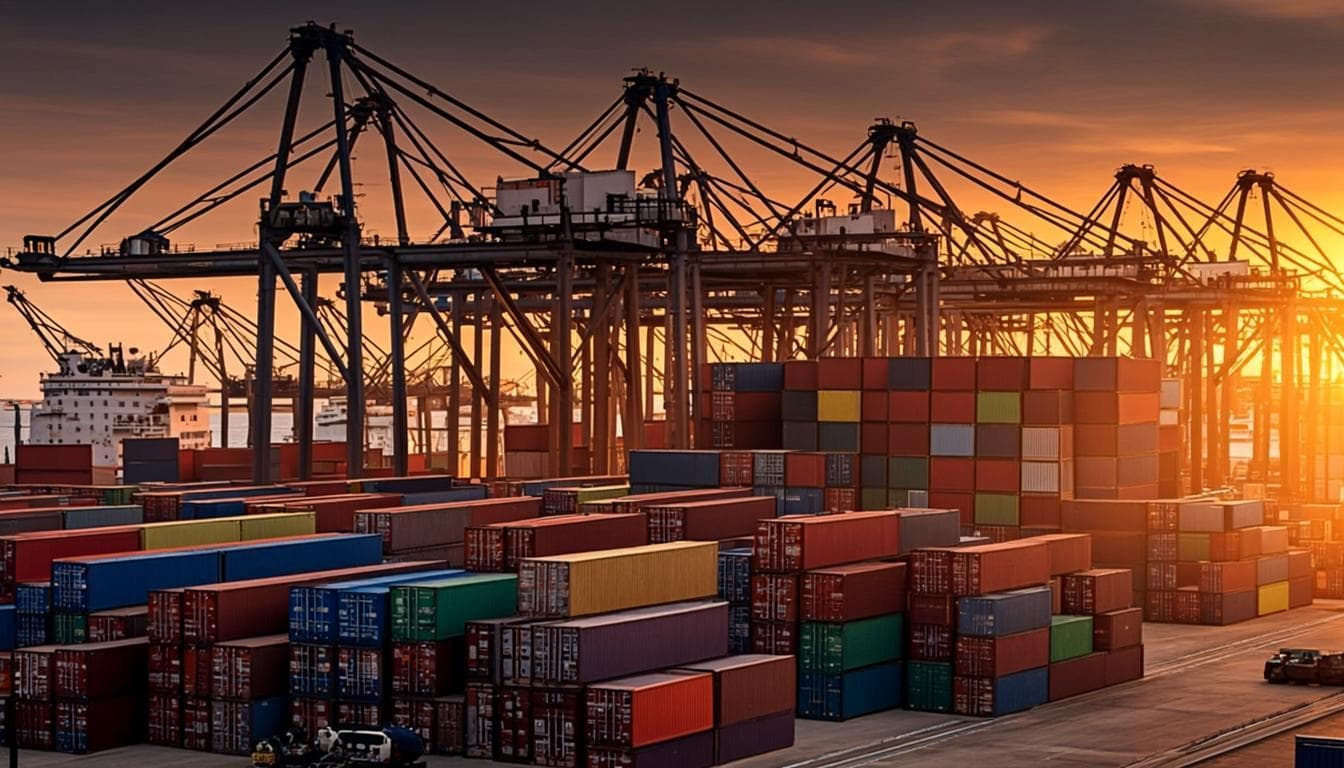
Understanding the fundamental differences between universal and targeted tariffs reveals their distinct impacts on global trade, consumer prices, and international relations.
Container shipping markets continue to experience price swings despite the end of pandemic disruptions, revealing deeper structural issues in global supply chains.

Record additions of solar and wind capacity in the developing world are reshaping global power markets and the investment case for clean energy.
The global race for critical minerals is reshaping international trade relations as nations compete for resources essential to modern technology and clean energy transitions.

Digital transformation at customs is creating substantial savings for businesses through streamlined processes and reduced paperwork, though the full potential remains largely untapped.
Grid-scale batteries are becoming critical infrastructure for stabilizing renewable energy integration and unlocking new revenue streams for utilities.