Enterprise AI: From Pilot Projects to Profit Centers
Organizations are transitioning from experimental AI initiatives to deploying artificial intelligence as core business drivers, requiring new strategies and organizational structures.
40 results for “supply chain”

Organizations are transitioning from experimental AI initiatives to deploying artificial intelligence as core business drivers, requiring new strategies and organizational structures.

Semiconductors have evolved from mere components to critical geopolitical assets, driving nations to prioritize domestic production capabilities and technological sovereignty.

As artificial intelligence demand surges, utilities and grid operators face unprecedented challenges in supplying enough reliable power to data centers, creating a hidden bottleneck that could reshape cloud computing economics.

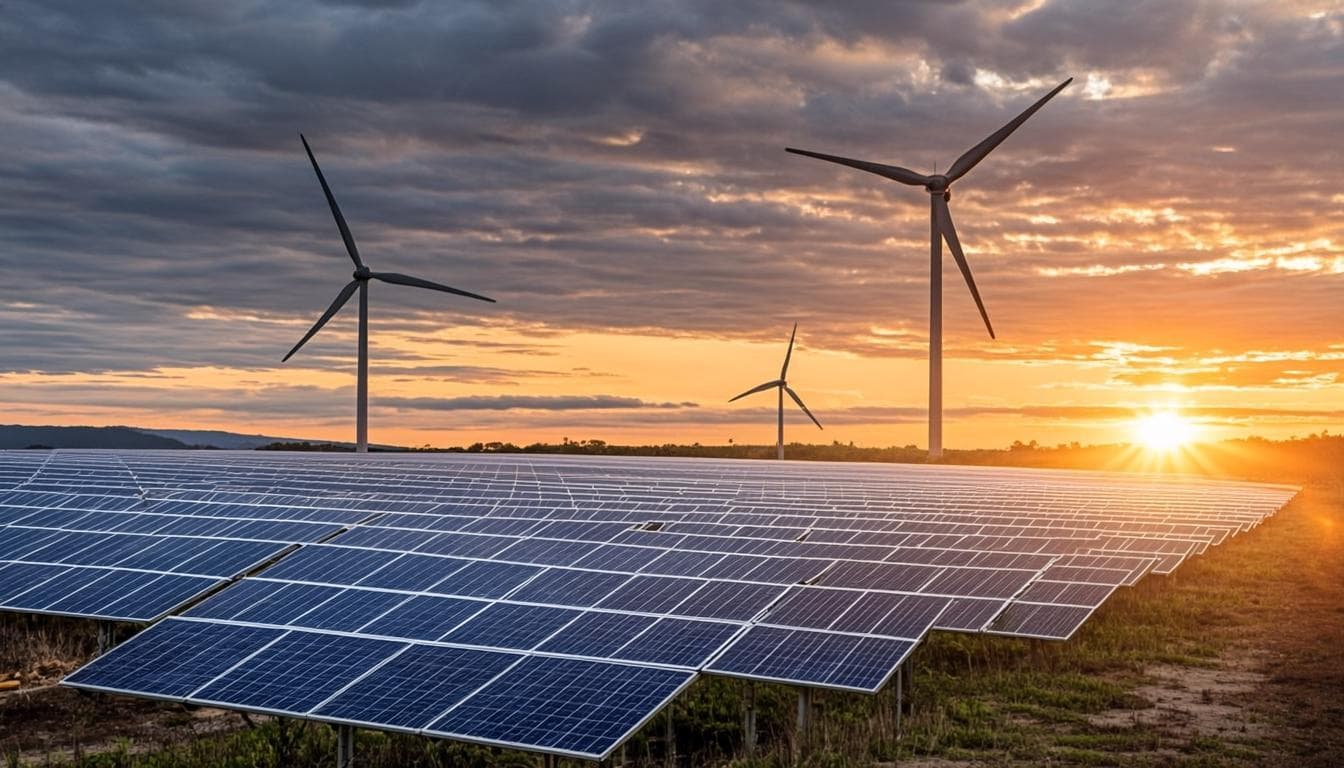
Solar power has achieved a historic milestone, becoming the most cost-effective electricity source in many markets due to decades of technological advancements and economies of scale.

Grid-scale batteries are becoming critical infrastructure for stabilizing renewable energy integration and unlocking new revenue streams for utilities.

Analysts clash on when global oil demand will peak, with disagreements stemming from varying assumptions about EV adoption, petrochemical growth, and emerging market development.

The shift to renewable energy and electric vehicles is creating unprecedented demand for critical minerals, exposing a fundamental mismatch between mining development timelines and global climate targets.

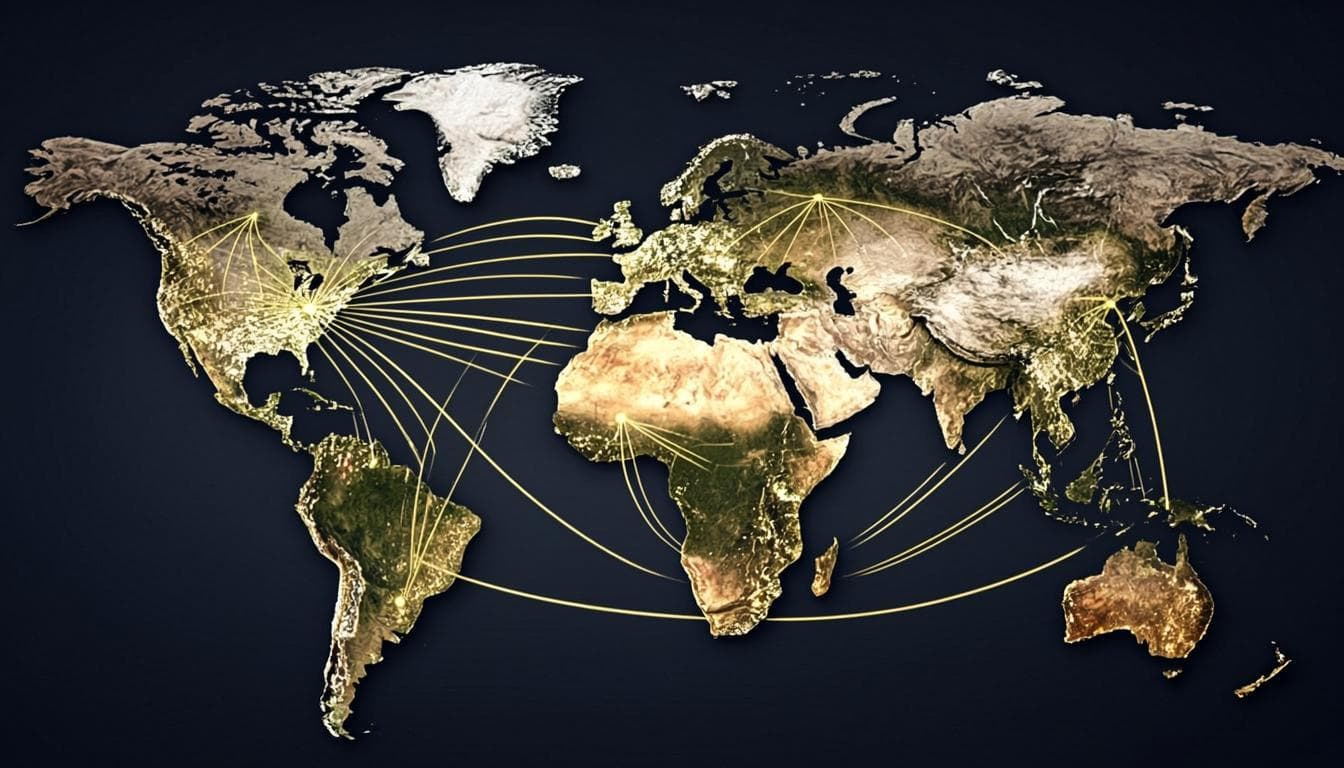
A new web of south-south trade routes — from Gulf ports to Asian industrial corridors — is redrawing economic gravity, and most investors have not noticed yet.

Small modular reactors are emerging as a promising solution for clean energy needs, offering flexibility and scalability in nuclear power generation.

The global shift toward clean energy risks leaving vulnerable populations behind as affordability concerns clash with decarbonization goals.