Chokepoint Economics: How a Few Sea Lanes Shape Global Trade
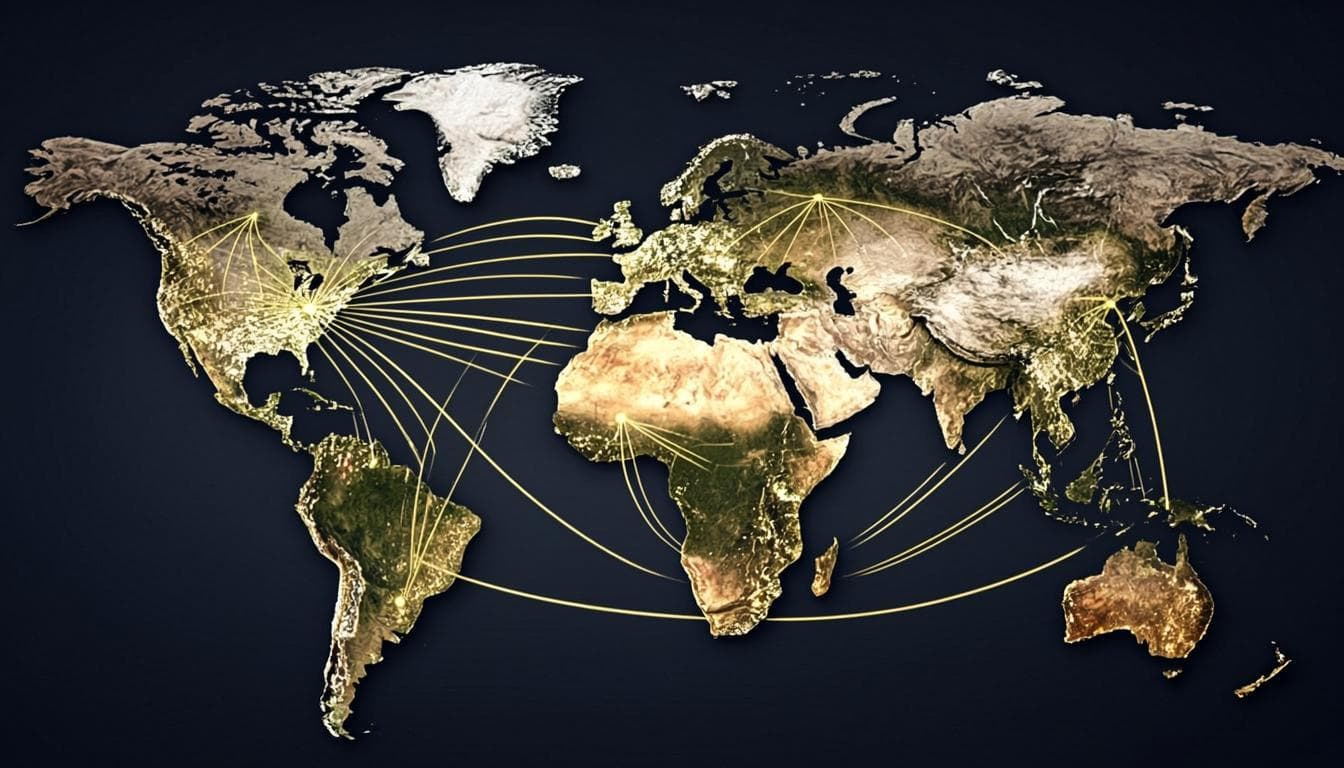
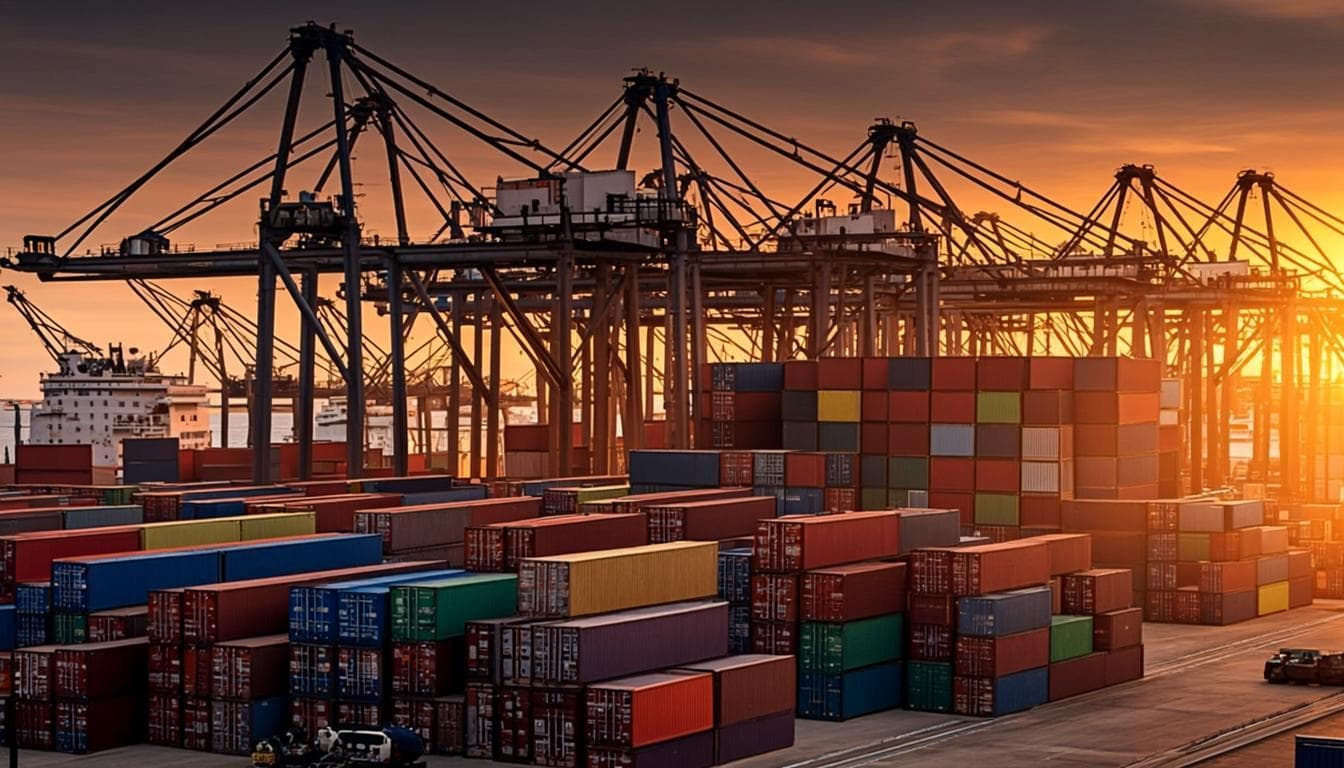
Maritime chokepoints like the Suez Canal and Strait of Hormuz serve as critical arteries for global commerce, with disruptions creating ripple effects that can last for months.
29 results for “manufacturing”

Maritime chokepoints like the Suez Canal and Strait of Hormuz serve as critical arteries for global commerce, with disruptions creating ripple effects that can last for months.

Latin America is quietly emerging as a strategic trade hub, leveraging nearshoring trends and regional integration to attract global investment.

Semiconductors have evolved from mere components to critical geopolitical assets, driving nations to prioritize domestic production capabilities and technological sovereignty.

Edge computing represents a fundamental shift in how data is processed, moving computation closer to the source to reduce latency and enable new real-time applications across industries.

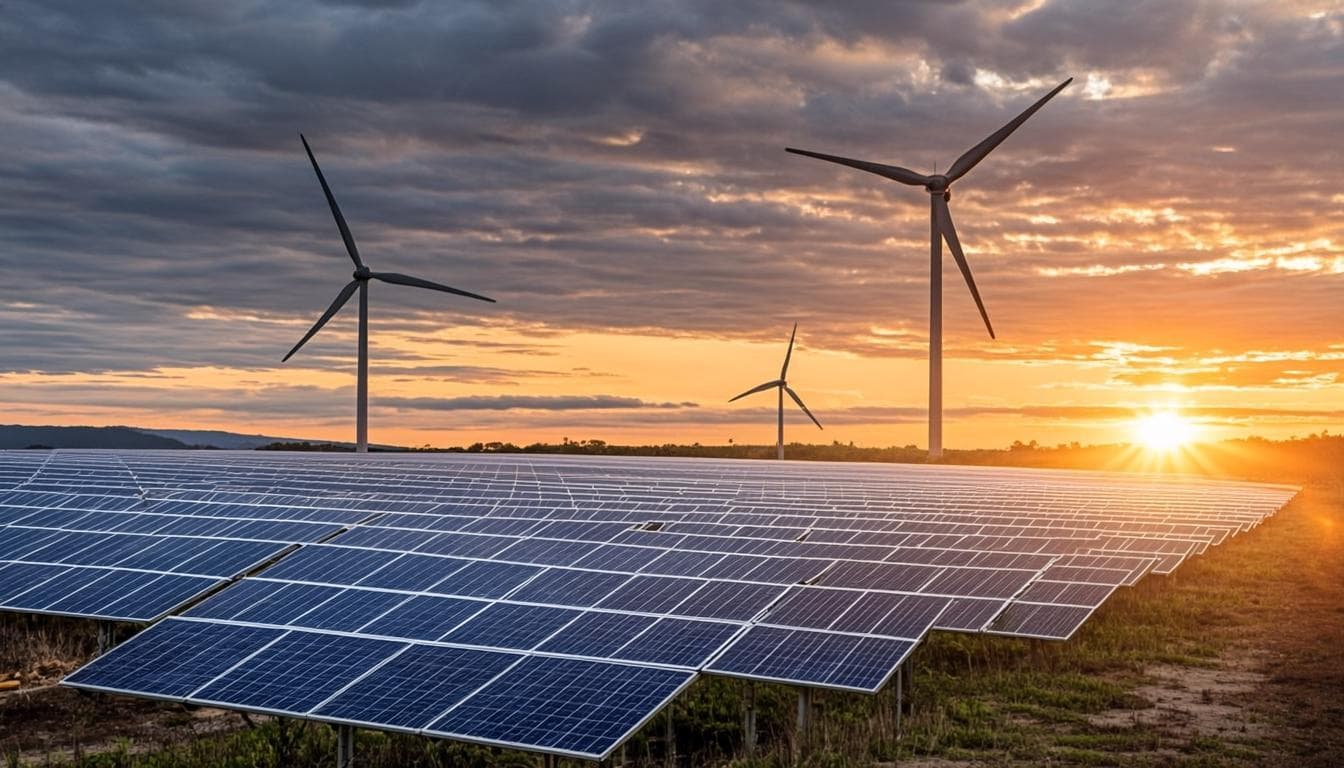
Solar power has achieved a historic milestone, becoming the most cost-effective electricity source in many markets due to decades of technological advancements and economies of scale.

Grid-scale batteries are becoming critical infrastructure for stabilizing renewable energy integration and unlocking new revenue streams for utilities.

The shift to renewable energy and electric vehicles is creating unprecedented demand for critical minerals, exposing a fundamental mismatch between mining development timelines and global climate targets.

Small modular reactors are emerging as a promising solution for clean energy needs, offering flexibility and scalability in nuclear power generation.

The green hydrogen revolution faces significant economic and technical challenges that must be addressed before widespread commercial adoption can occur.