Why Core Inflation Stays Sticky Even as Goods Get Cheaper
While goods prices have cooled in recent months, services inflation continues to drive overall price increases, creating a persistent core inflation challenge for central banks.
33 results for “supply chains”

While goods prices have cooled in recent months, services inflation continues to drive overall price increases, creating a persistent core inflation challenge for central banks.

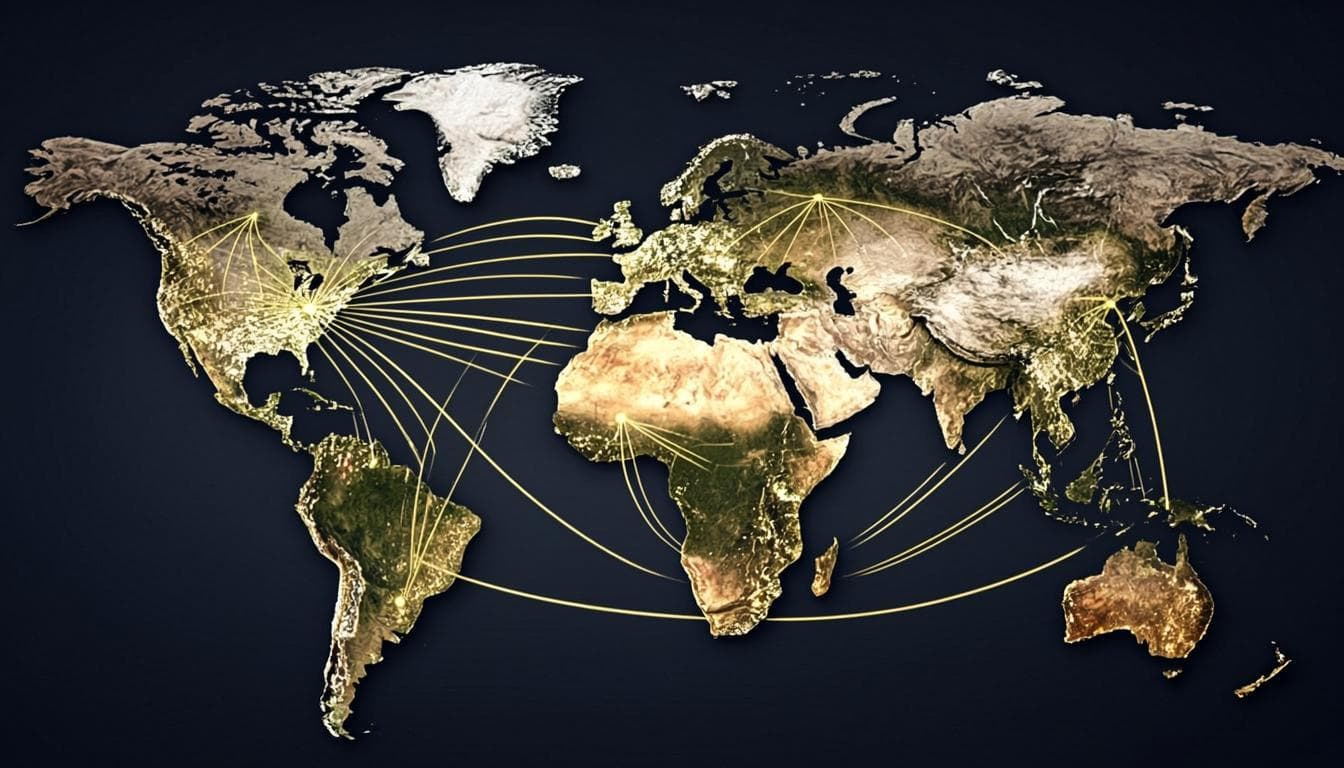
From nearshoring in the Americas to new corridors across Asia and the Gulf, companies are reengineering trade routes for resilience rather than cost alone.

The final stretch of disinflation has historically proven the most challenging, particularly after the pandemic cycle's unique economic disruptions.

The global economy is showing a clear divergence between robust services sectors and struggling manufacturing industries, creating a two-speed economic landscape with distinct regional patterns and policy implications.

Understanding the fundamental differences between universal and targeted tariffs reveals their distinct impacts on global trade, consumer prices, and international relations.

Global supply chains are undergoing a fundamental transformation as companies rebalance between cost efficiency and risk mitigation.

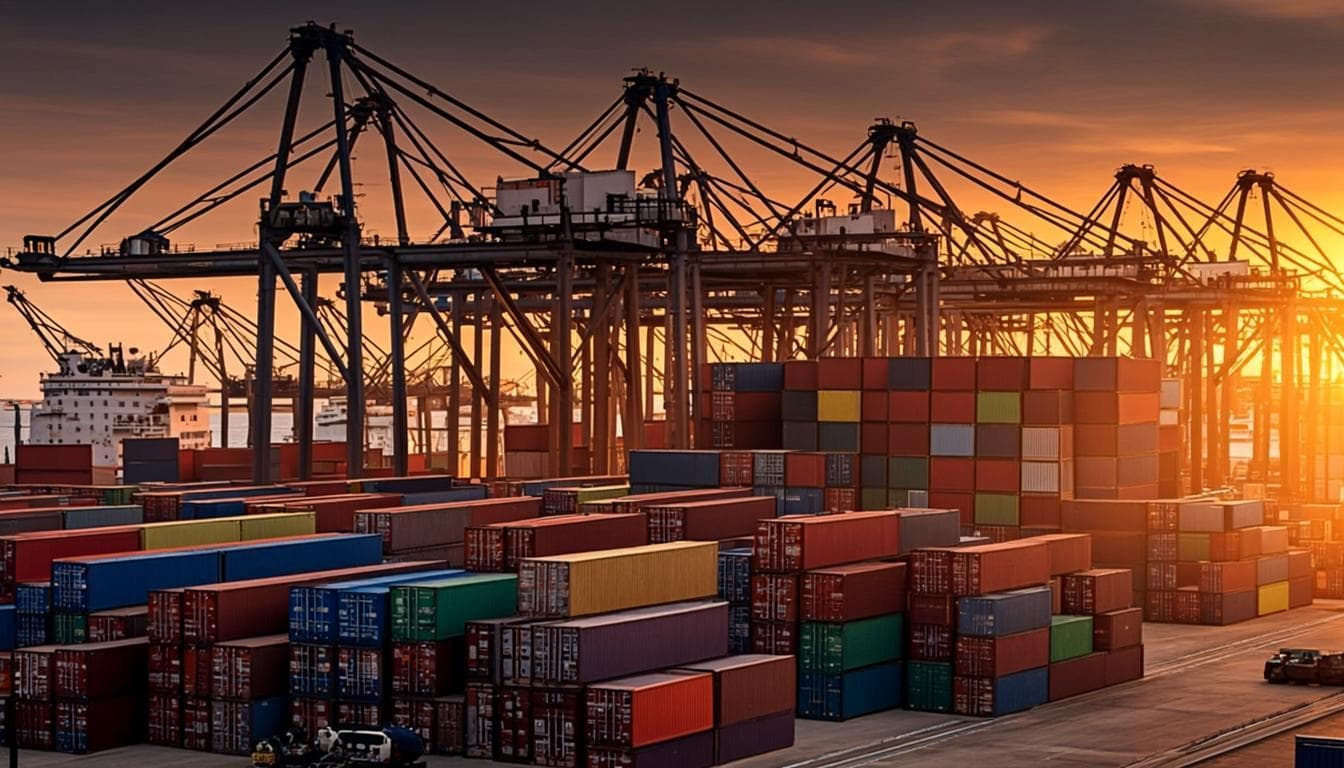
Container shipping markets continue to experience price swings despite the end of pandemic disruptions, revealing deeper structural issues in global supply chains.

Maritime chokepoints like the Suez Canal and Strait of Hormuz serve as critical arteries for global commerce, with disruptions creating ripple effects that can last for months.

The global race for critical minerals is reshaping international trade relations as nations compete for resources essential to modern technology and clean energy transitions.

Digital transformation at customs is creating substantial savings for businesses through streamlined processes and reduced paperwork, though the full potential remains largely untapped.