AI Customs Clearance in 2026: A Practical Guide for Importers and Exporters
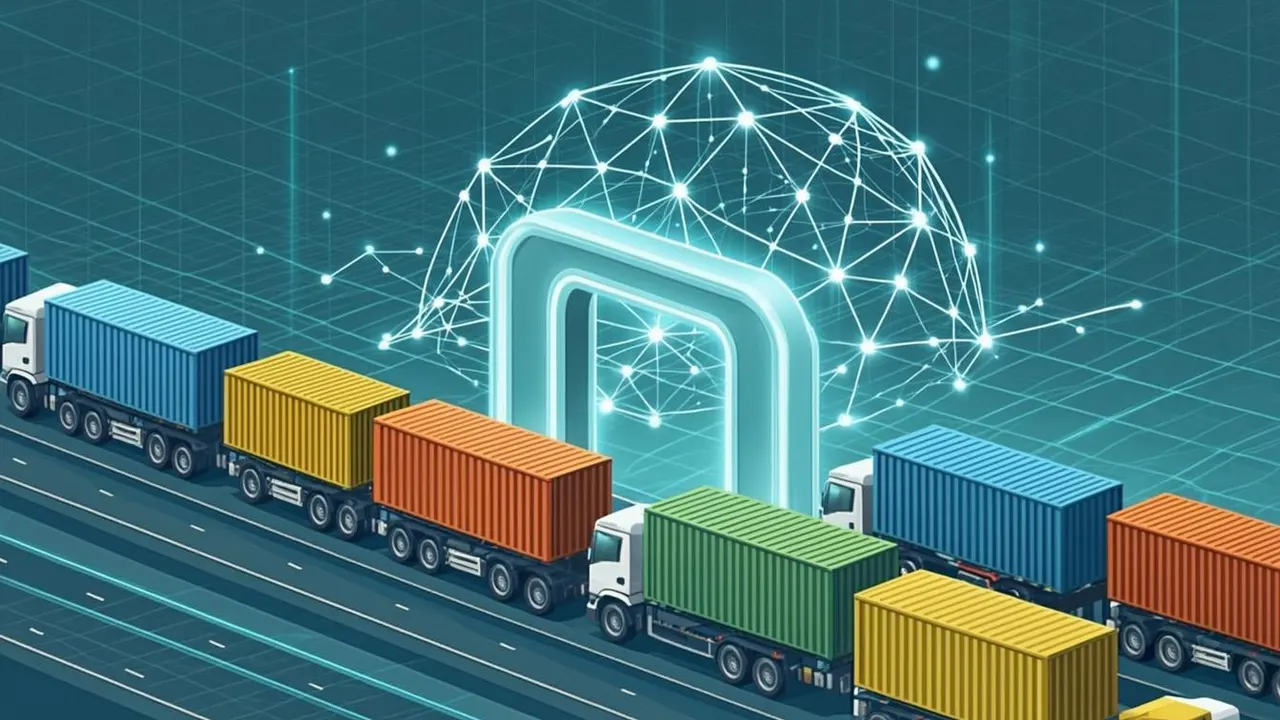
AI customs clearance is moving from pilot projects to everyday practice in 2026. This guide explains how automated border processing works and what traders should do now.
24 results for “freight”

AI customs clearance is moving from pilot projects to everyday practice in 2026. This guide explains how automated border processing works and what traders should do now.

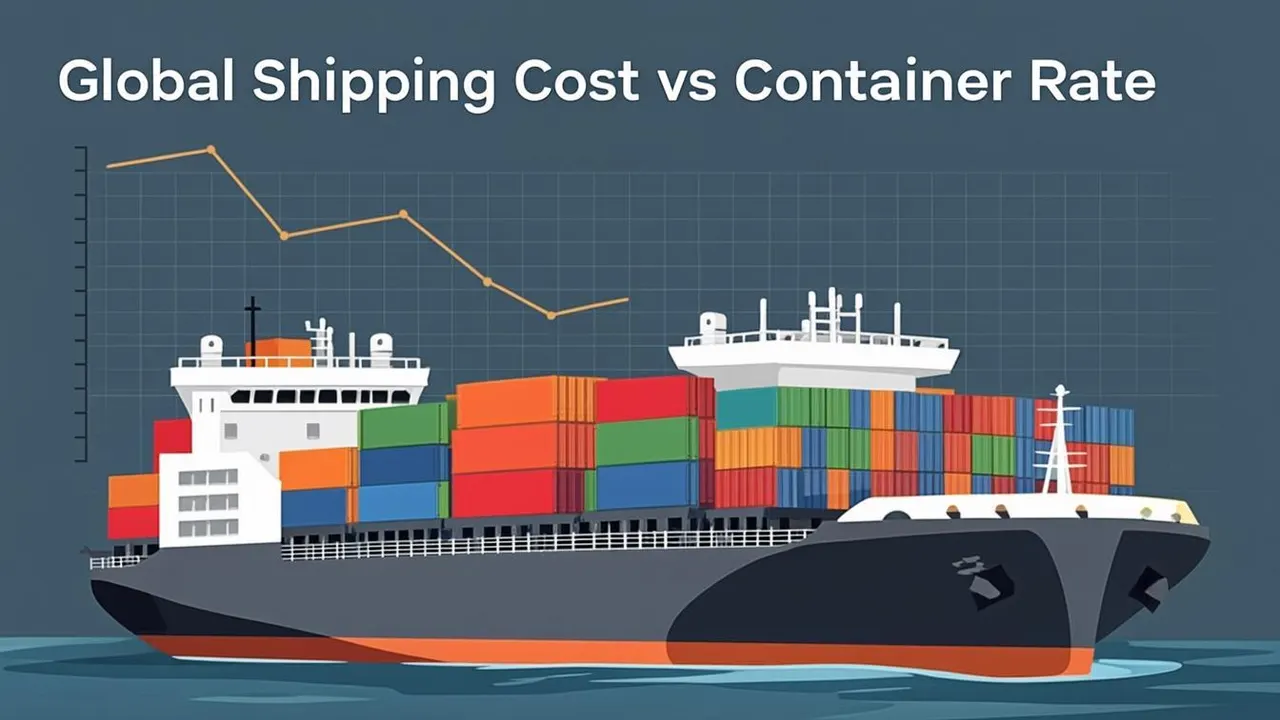
The global shipping costs outlook for Q4 2026 points to calmer freight markets, yet tariff front-running, capacity swings and reroutes still shape importer budgets.

The latest CPI data shows inflation picking up again, complicating the Fed's path and squeezing household budgets.

Europe will release 42 million barrels of oil, per OilPrice, as the Iran war adds $11 billion a month to the EU's import bill. Inside the mechanics of strategic-reserve releases, why this one is sized the way it is, and what it can and cannot fix.

The Iran war is adding $11 billion a month to Europe's oil import bill, per OilPrice, as tanker flows reroute and Europe readies a release of 42 million barrels. Inside the eurozone's growing terms-of-trade problem.

US shipper costs have hit a five-year high even as demand stalls, US Bank data shows — a cost-driven squeeze with no demand story behind it, and real consequences for retailers, margins and consumers.

Declining logistics costs signal supply chain normalization, even as workforce challenges persist and freight costs shift across segments.

Equity benchmarks traded in tight ranges this week as investors balanced resilient corporate earnings against a still-cautious tone from major central banks.

From nearshoring in the Americas to new corridors across Asia and the Gulf, companies are reengineering trade routes for resilience rather than cost alone.

The global economy is showing a clear divergence between robust services sectors and struggling manufacturing industries, creating a two-speed economic landscape with distinct regional patterns and policy implications.