Europe is reaching for the fastest lever it has left. On Thursday, October 29, 2026, the continent moved to release 42 million barrels of oil from strategic stocks, per OilPrice — an intervention sized against a war that keeps getting more expensive. According to the same report, the Iran conflict is now adding roughly $11 billion a month to the European Union's oil import bill. The announcement lands in a market already distorted by the conflict: tanker flows are rerouting around the war zone, stretching voyages, inflating freight charges and keeping upward pressure on crude prices. For European governments, the calculus is blunt — import costs are rising faster than households and industry can absorb them, and the only supply that can be added quickly is oil sitting in storage. The release is a bridge: a way to add barrels to a disrupted market without waiting on new production, new tankers or a diplomatic breakthrough. Whether 42 million barrels is enough depends on a question nobody can answer — how long the war, and its monthly bill, keeps running.

How a Strategic-Release Tap Actually Works
Strategic reserves are, at their core, warehouses of last resort. Governments and their agencies hold crude in storage precisely for moments like this one, and the machinery for getting those barrels into the market is well rehearsed. A release typically takes one of two forms: an outright sale, in which barrels are tendered to refiners and traders and leave the stockpile permanently, or a loan, in which oil is lent out with an obligation to return it once conditions ease.
The distinction matters more than it first appears. A sale is a permanent draw on the buffer: the stockpile shrinks and must eventually be rebuilt, which means the government will one day re-enter the market as a buyer. A loan merely moves barrels forward in time — it supplies the market today and quietly subtracts from it tomorrow, when the borrowed crude is paid back. Both tools add supply now, which is the entire point.
What a release cannot do is create oil. The barrels leaving storage were pumped, shipped and stored at some earlier point; releasing them changes the timing of supply, not the amount the world produces. That is why stockpile policy is regarded as a market-shaping instrument rather than a solution. Per OilPrice, Europe's 42 million barrels are being deployed into exactly this kind of picture: a market distorted by war, in which the ordinary channels of supply have become longer, riskier and more expensive.
Why 42 Million Barrels — and What It Is Calibrated Against
Sizing a release is an exercise in judgment, and the number announced Thursday, per OilPrice, tells its own story. Forty-two million barrels is a serious intervention by the standards of stockpile policy — large enough to be felt by a market trading on war nerves, yet not so large that it strips Europe's emergency buffer at a moment when the conflict could still escalate.
The calibration problem is unusual because the shock it answers is a flow, not a stock. According to OilPrice, the Iran war is inflating the EU's oil import bill by about $11 billion every month — a recurring cost that accumulates with each passing week. A reserve release, by contrast, is a one-time adjustment. It does not reduce next month's import bill; it temporarily adds supply in the hope of softening the prices that produce that bill. The mismatch is the central tension of today's announcement: a finite stock is being used to lean against a cost that renews itself every thirty days.
Officials are not, in other words, trying to cancel the shock. They are trying to blunt its sharpest edge — the speculative, panic-driven component of prices — while leaving the slower work of adjustment to households, industry and diplomacy. The size of the release suggests they read the situation as grave but manageable: a market that needs reassurance more than it needs a flood of crude. How that judgment ages depends less on economics than on the war itself, which is what makes reserve policy at moments like this as much an act of forecasting as of engineering.
The War Premium: Rerouted Tankers, Longer Voyages
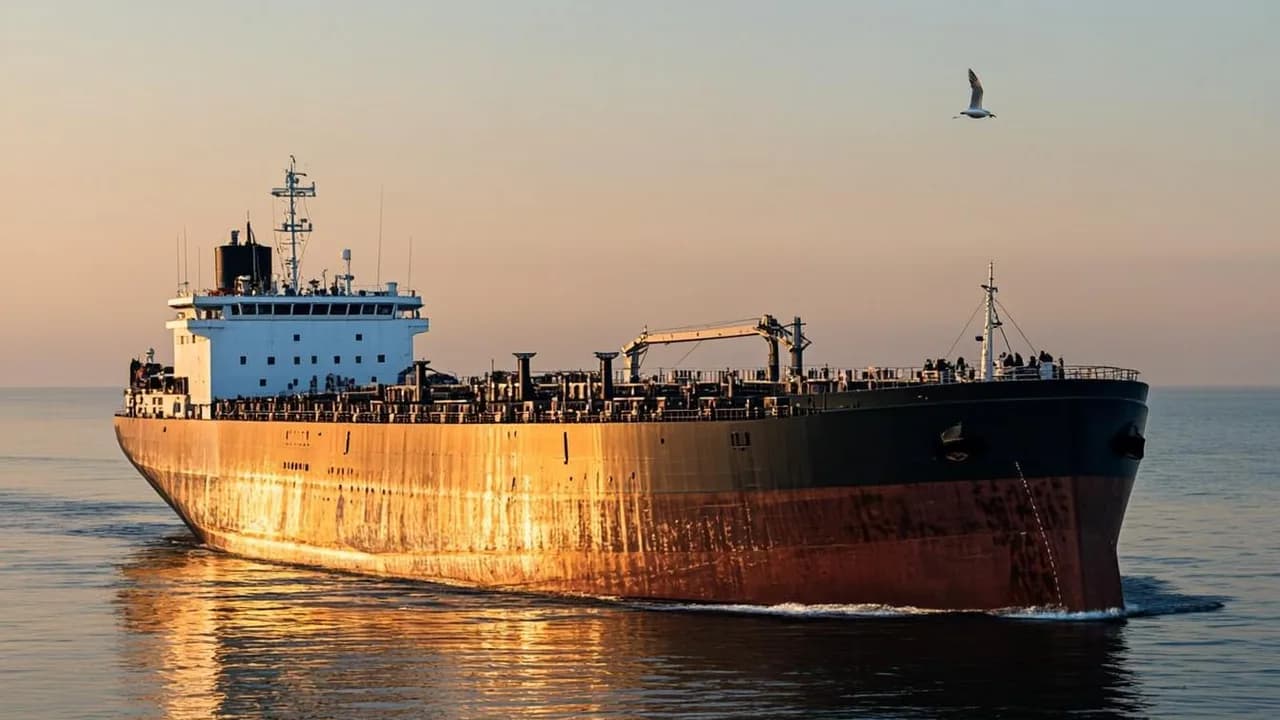
Part of what Europe is releasing against is not a shortage of oil at all, but a shortage of cheap oil. Per OilPrice, tanker flows are rerouting around the Iran conflict, and that single sentence contains a large share of the price story. When ships avoid a conflict zone, they travel farther. Farther voyages mean more days at sea per cargo, more tankers tied up per delivery, higher insurance costs and a tighter effective fleet — all of which pushes freight rates up and availability down, even if not a single barrel of production is lost.
This is chokepoint economics in its purest form, the same logic behind a handful of sea lanes quietly shaping global trade. The world's crude does not flow evenly; it moves through corridors where geography concentrates risk. A war near one of those corridors re-prices every voyage that would normally pass through it, and the premium lands first in freight markets, then — with a lag — in the price of every product refined from that crude.
For importers the effect is double: Europe pays more for the oil and more to move it. That compounding is what makes the current shock feel structural rather than cyclical, and it explains why a reserve release addresses only half of the problem. The release can soften physical supply; it cannot shorten a voyage. As long as rerouting persists, the freight premium embedded in Europe's import bill persists with it — which is precisely the part of the bill that storage cannot fix.
What a Release Can Fix — and What It Cannot
It is worth being precise about the instrument, because expectations for reserve releases tend to run ahead of what they deliver. What a release does well: it adds supply to the market within weeks rather than years; it can puncture speculative momentum, since traders know the barrels are coming; and it buys governments political room to act while longer-term answers are assembled.
What it does not do is equally important. It cannot end the war. It cannot reopen the sea lanes tankers are now avoiding, per the same OilPrice reporting, and it cannot lower the insurance and freight premia built into every rerouted voyage. It cannot reduce the structural volume of crude Europe must import, and it cannot protect the region from a recurrence: if the disruption deepens after the barrels are gone, the buffer will be smaller precisely when it is needed most.
There is also a well-rehearsed critique of releases, and it will be heard again this week: the oil eventually has to come back. Sold barrels must be repurchased, and lent barrels must be returned. If those transactions happen in a still-tight market, governments risk buying high after selling low — a round trip that costs treasuries money and can even add to future demand. None of this makes the release a mistake. It makes it a timing instrument, valuable in proportion to how quickly the underlying disruption fades. Thursday's decision is, in that sense, a wager that the worst of the price pressure is closer to its end than its beginning.
Winners and Losers
Every release redistributes money, and this one is no exception. Refiners are among the clearest beneficiaries: more crude chasing their processing capacity is, at the margin, good for input costs and run rates. European consumers get the murkiest benefit — cheaper feedstock does not automatically mean cheaper pump prices, and how much relief travels from storage tanks to household budgets will depend on competition along the refining and retail chain, and on how quickly savings are passed through.
Producers and petrostates sit on the other side of the ledger. The war has handed exporters a windfall, and the longer elevated prices persist, the longer petrostates can keep investing their oil windfalls abroad rather than at home — a dynamic that quietly reallocates capital from importing regions to exporting ones. Europe's release is, in part, an attempt to claw back a fraction of that transfer.
The most uncomfortable position belongs to European treasuries and stockpile managers. Selling or lending oil generates relief today and risk tomorrow: the buffer shrinks, the replenishment obligation grows, and the eventual buyback will happen in a market whose prices nobody controls. Officials are trading a certain, modest gain now for an uncertain cost later — the classic shape of an emergency decision. Whether it looks wise in hindsight will depend on the timing of the buyback, which depends, in turn, on the timing of peace.

The Precedent Problem
Reserve releases have a history, and it is a humbling one. Consumer nations have reached for their stockpiles in past disruptions, and the pattern that emerges is consistent: releases reliably calm markets for a while, and just as reliably the effect fades unless the underlying disruption ends. Oil that exits storage to fight a price spike returns, in one form or another, to a market that must eventually absorb it back.
That history shapes how traders read Thursday's news. A release is not a surprise windfall of new supply; it is a known playbook, and markets price it accordingly. What they watch is the execution: how quickly the barrels are actually offered, who takes them, at what prices the tenders clear, and — above all — whether officials describe this as a one-off or as the first tranche of something larger. The same 42 million barrels can read as reassurance or as alarm, depending entirely on the framing that accompanies them.
The precedent problem also runs forward. Each successful use of the stockpile makes the next use politically easier; each unsuccessful one makes it harder. And every draw shrinks the reserve available for the crisis after this one. Europe is, in effect, spending down an insurance policy in the middle of a storm, and the insurance market — the physical market in crude — is watching closely how the claim is handled. That is why the weeks after a release are often as informative as the announcement itself.
What Traders Will Watch Now
For the oil market, the announcement reframes the near-term calendar. The first thing to watch is the physical chain: the tenders through which the 42 million barrels, per OilPrice, are offered, and the prices at which they clear. Strong demand for the released crude at elevated levels would signal that the market is tighter than the release can fix; heavy bidding at softer levels would suggest the stock is doing its job.
The second is freight. Per the same reporting, tanker flows are rerouting, and the length of those detours is now a market indicator in its own right. Any sign that voyages are shortening — that war-risk premia are compressing — would do more for prices than the release itself; any escalation that lengthens them would do the opposite.
The third is the response of producers. A release is, implicitly, a message to exporting countries: consumer governments will lean on their own stocks rather than plead for extra barrels. How producers respond — with accommodation, indifference or discipline — will determine whether the release calms the market or merely sets up a standoff between storage and supply restraint.
And the fourth is the monthly import bill itself. The $11 billion figure reported by OilPrice is the scoreboard. If the coming months bring that number down, Thursday's decision will be judged a success. If it keeps climbing, the release will come to look like the opening move of a longer campaign rather than the decisive stroke of a short one.
The Bigger Picture for Europe's Energy Position
Step back, and the release is a symptom as much as a policy. Europe's problem is not that oil is scarce globally; it is that Europe imports enormous volumes of it through corridors now priced for war. The $11 billion monthly bill reported by OilPrice is, in effect, a tax on geography — one that will be paid every month the current routes and risks persist.
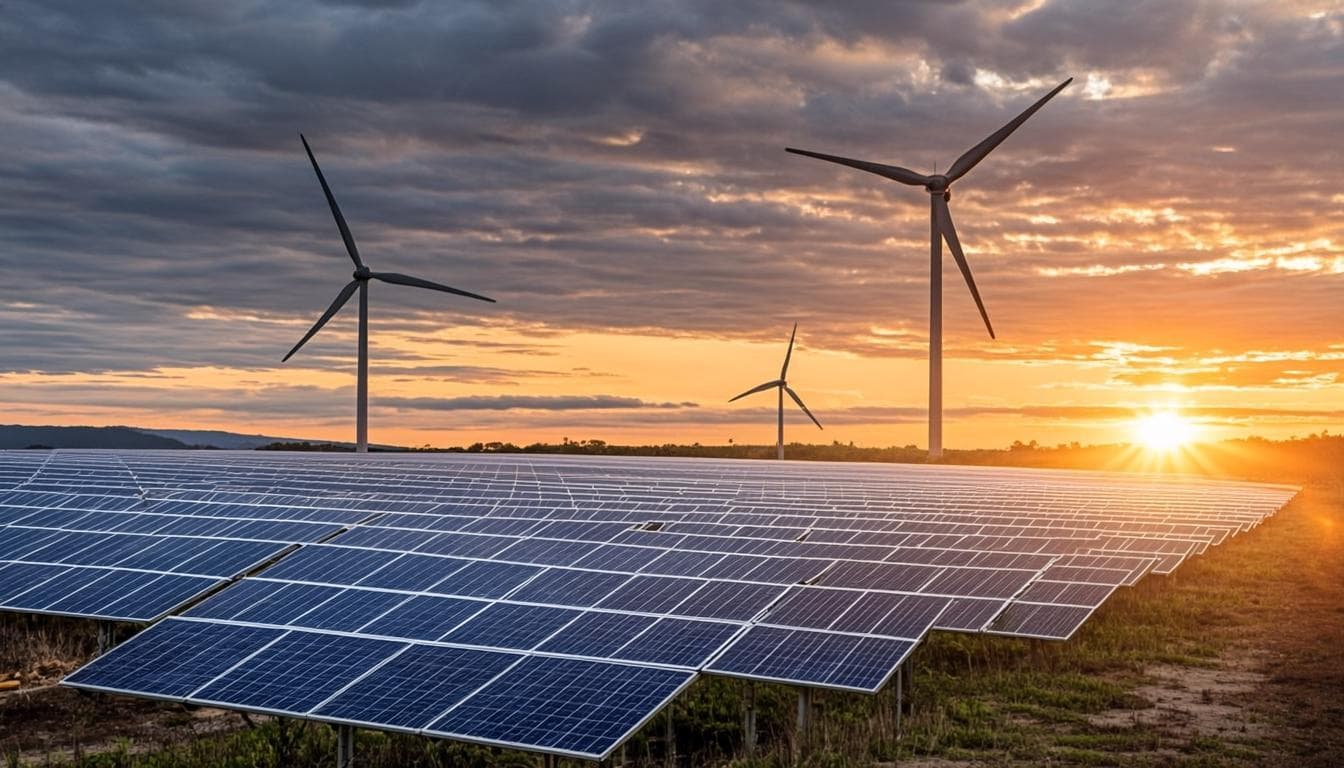
That reality is already reshaping the continent's longer-term energy conversation. Sustained expensive oil strengthens every argument for reducing import exposure: efficiency, electrification, domestic generation and storage all become more competitive when the alternative is crude bought at a war premium. Analysts who follow oil demand peak predictions note that the hardest variable in those forecasts is precisely the pace at which importing regions respond to price shocks like this one. And the more of Europe's energy that moves through wires rather than tankers, the more central grid-scale batteries become to the entire project.
None of that happens fast enough to matter this winter. The release is the bridge; the transition is the destination. But pricing like this has a way of accelerating decisions governments assumed they had a decade to make. With 42 million barrels, Europe has just told the market that it intends to manage the interval — and, with it, the pace at which that interval ends.
What Happens Next
The immediate test is mechanical: getting the 42 million barrels, per OilPrice, from storage into refineries without logistical hitches, and watching whether pump prices and industrial input costs respond. The deeper test is temporal. The release answers a monthly problem — an $11 billion import bill, per the same report — with a one-time stock, so its success depends on the war's duration more than on any policy detail.
Watch four things in the coming weeks: the tenders and their clearing prices; the length of tanker routes as the conflict evolves; the reaction of producers to Europe's willingness to draw stocks; and any hints about replenishment, which will reveal whether officials expect a short crisis or a long one. The pattern of past releases argues for patience — they buy calm, not solutions.
Thursday's decision will be judged by a simple standard. If the import bill shrinks and the buffer is rebuilt cheaply, Europe will have played a difficult hand well. If the war outlasts the stockpile, the 42 million barrels will be remembered as reassurance that bought time — and the real question, of how Europe affords its oil in a world of rerouted tankers, will still be waiting for an answer.


Comments(0)
Share your thoughts. Comments are moderated and links are not allowed.
No comments yet. Be the first to share your view.
Add a comment