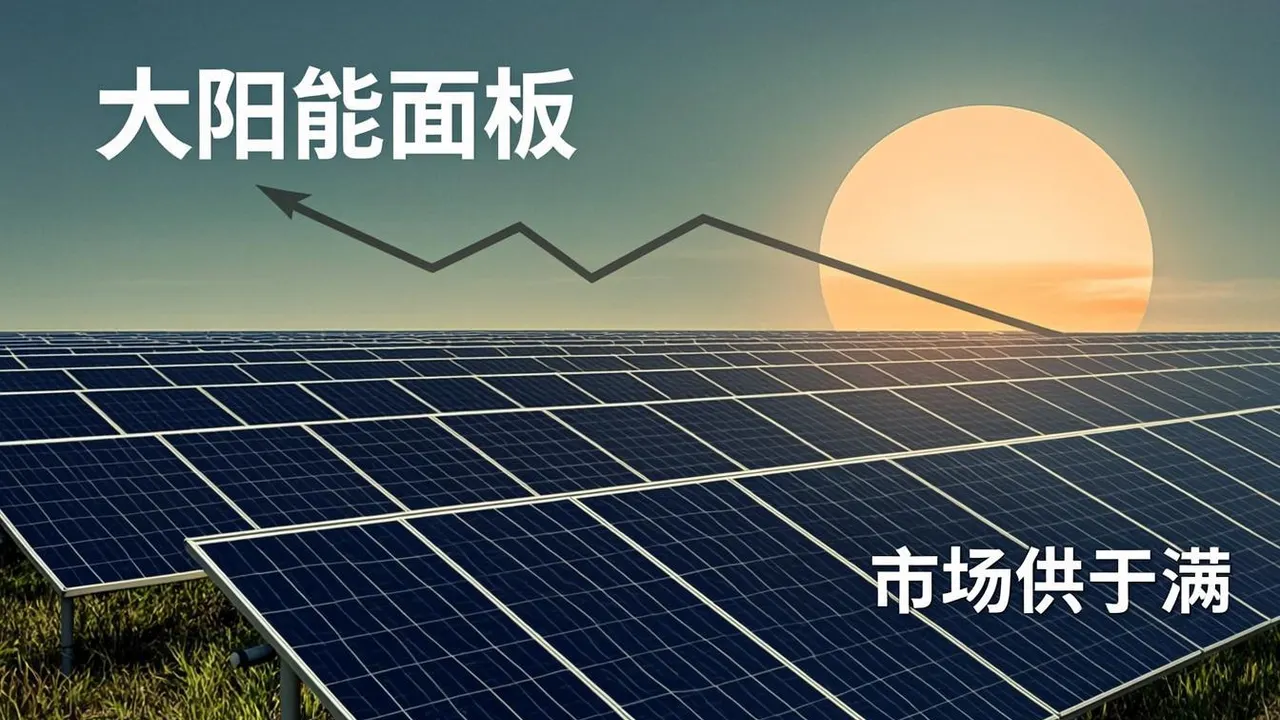
Solar power's cost story has always pointed down. What makes late 2026 remarkable is the pace: module prices have fallen far enough, for long enough, that analysts now describe the market as structurally oversupplied — and for buyers, that oversupply has opened the most favorable procurement window in the industry's history.
The solar panel price outlook for the rest of 2026 and into 2027 is a story of factories built for a demand boom that arrived slower than planned, tariffs that split one global market into regional price islands, and an industry consolidation that will eventually — but not immediately — rebalance supply.
Key Takeaways
- Global module manufacturing capacity exceeds installation demand by a wide margin, and producers have been selling at or near cash cost through the autumn.
- Tariff walls in Western markets have created big gaps between regional prices: the same module class can cost dramatically more behind a tariff barrier than outside it.
- For households, businesses and project developers in open markets, late 2026 offers exceptional value on hardware — the soft costs of labor, permitting and grid connection now dominate system economics.
- Analysts expect consolidation and capacity discipline to slow the price decline in 2027, but not to reverse it.
Why Solar Panel Prices Keep Falling
The arithmetic of oversupply is straightforward. Manufacturers across Asia expanded capacity aggressively during the demand surge of the early 2020s; that buildout completed just as growth in some major markets cooled and inventory levels across the chain stayed elevated. Producers responded the way commodity producers always do — by defending volume and utilization at the expense of price. Through October 2026, spot module prices have continued to grind lower, with several mainstream product classes trading at levels that leave little or no margin for all but the lowest-cost producers.
Price discipline has been attempted and has failed. Announced production cuts through 2025 and 2026 were slower and shallower than the market required, partly because provincial employment and industrial-policy considerations discourage closures, and partly because every producer hopes its neighbors will cut first. The result is a classic commodity squeeze in reverse: costs have fallen too, since polysilicon and wafer prices also slid, but not fast enough to restore profitability.
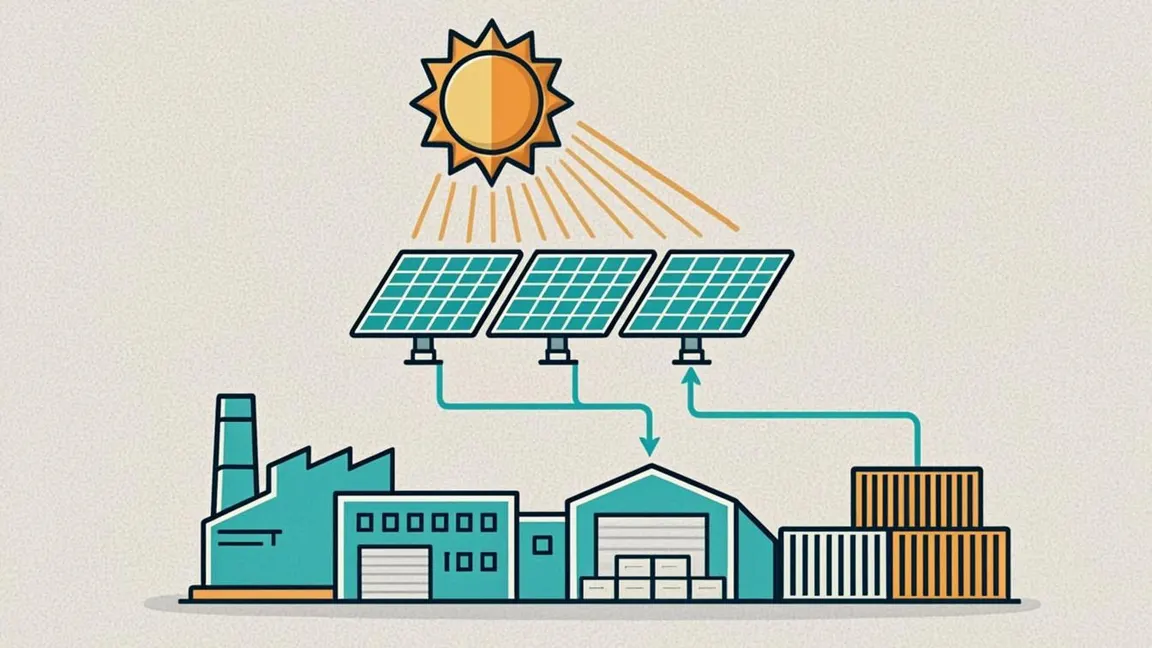
For the energy transition as a whole, cheap modules are unambiguously good news. Solar is now the default cheapest source of new electricity generation in a growing majority of markets, and every price decline pulls the economics of electrification — of transport, heating and industry — further into the black.
Tariff Walls and Regional Price Gaps
The single most important feature of the late-2026 market is that there is no longer one price. The United States and the European Union have both thickened their trade defenses over the past two years, and the effect is a map of price islands: behind tariff walls, module prices sit at multiples of the global spot level; outside them, buyers shop in the deepest, most competitive hardware market the industry has ever seen.
The policy logic is domestic industrial strategy — both regions want home-grown manufacturing capacity, and tariffs are the price paid to build it. The gap between strategy and reality is timing: domestic capacity is rising but still well short of demand, so installers behind the walls pay a premium that their competitors in open markets do not. Buyers' groups in tariff-protected markets have become increasingly vocal about this cost, and the politics of the premium will shape policy into 2027.
What the Price Outlook Means for Buyers and Installers
For households and businesses in open markets, the guidance from installers and industry analysts is consistent: hardware is unlikely to get meaningfully cheaper, so the case for acting now rests on total system economics rather than on waiting for further declines. Labor, inverters, mounting, permitting and grid-connection charges — the soft costs — now make up the majority of most system quotes, and none of those are falling at module-like speed.
For commercial and utility-scale project developers, the window carries a strategic dimension. Developers who lock long-term module supply agreements at current prices are effectively underwriting their projects against the consolidation-driven price recovery that most analysts expect in the second half of 2027, when weaker producers finally exit and capacity discipline takes hold.
For the commodity-minded, the contrast with metals is instructive: our gold price analysis shows a market with a structural buyer underneath it — solar modules are the mirror image, a market with structural excess supply above it. And the freight side of project costs has eased too; our global shipping costs outlook covers the logistics tailwind.
How to Time Procurement in Q4
The practical playbook for the next two quarters is short. Confirm the origin rules and tariff treatment that apply to your market before comparing quotes, because the same hardware sits in different price worlds depending on where it clears customs. Get multiple binding quotes with delivery dates — in an oversupplied market, competition works for you only if you make suppliers compete. Check warranty and bankability carefully, because consolidation means some brands will not survive 2027, and a warranty is only as good as the company behind it. And if you are a developer with a pipeline, price your upside from module contracts now rather than at financial close.
The Quality Question in a Discount Market
Cheap hardware rewards buyers only if the modules still perform in year fifteen. Industry engineers caution that an oversupplied market squeezes quality in ways a datasheet does not always reveal: thinner frames, lighter glass, substitution of encapsulant materials and looser binning of cells can all shave cost while shortening useful life. Bankability screens — the technical due diligence that lenders and insurers apply — exist precisely to catch these quiet compromises, and buyers who skip them to save consulting fees are saving money in the one place it cannot be saved.
The practical rule for a discount market is simple: buy from manufacturers with audited financials, demand third-party quality documentation for the specific factory and model, and treat any quote dramatically below the cluster of market prices as a data point about the seller rather than a bargain. In a consolidating industry, the cheapest panel and the riskiest warranty are usually the same product.
FAQ
Will solar panel prices fall further in 2027?
Most analysts expect the decline to slow as consolidation removes the weakest producers and capacity discipline slowly returns, but few expect prices to rise materially. The safer assumption for planning is flat-to-modestly-lower hardware costs, with soft costs driving any remaining system price improvements.
Why are solar panels cheaper in some countries than others?
Trade policy. Tariff walls in the US and EU keep domestic prices well above the global spot level, while open markets buy at world prices. The same module class can sell for dramatically different amounts depending on which side of a tariff barrier the buyer sits.
Is now a good time to buy a solar system?
In open markets, hardware value is exceptional and unlikely to improve dramatically, while labor and permitting costs are stable or rising — so the economic case for acting sooner is stronger than the case for waiting. Your local tariffs, incentives and grid rules decide the final numbers, so get binding quotes.
The Bottom Line
Oversupply has handed buyers the strongest position in solar's history, and windows like this one close when consolidation does its work. Our Energy coverage tracks module prices and the consolidation story into 2027.




Comments(0)
Share your thoughts. Comments are moderated and links are not allowed.
No comments yet. Be the first to share your view.
Add a comment