
Why Bond Yields Are Telling a Different Story Than Stock Traders
As stock markets remain near record highs, rising long-term bond yields suggest a divergence in economic outlook, with investors pricing in different futures for growth and inflation.

Author
Global Trade Editor
Amara Okafor covers international trade, logistics and emerging-market supply chains. She has reported from ports, industrial zones and trade summits across four continents.

As stock markets remain near record highs, rising long-term bond yields suggest a divergence in economic outlook, with investors pricing in different futures for growth and inflation.

The VIX, often called the 'fear gauge', provides crucial insights into market sentiment and potential future volatility. Understanding its movements can help investors gauge whether markets are becoming too comfortable.

As central banks signal a shift toward monetary easing, dividend stocks are regaining favor among income investors seeking yield in a changing economic landscape.

Custody solutions, tokenized funds and clearer compliance frameworks are drawing a new wave of professional money toward digital assets.

Copper prices often signal broader economic health, but current levels may reflect structural shifts rather than a traditional supercycle. Understanding the nuanced drivers behind copper's performance is crucial for businesses navigating today's complex economic landscape.

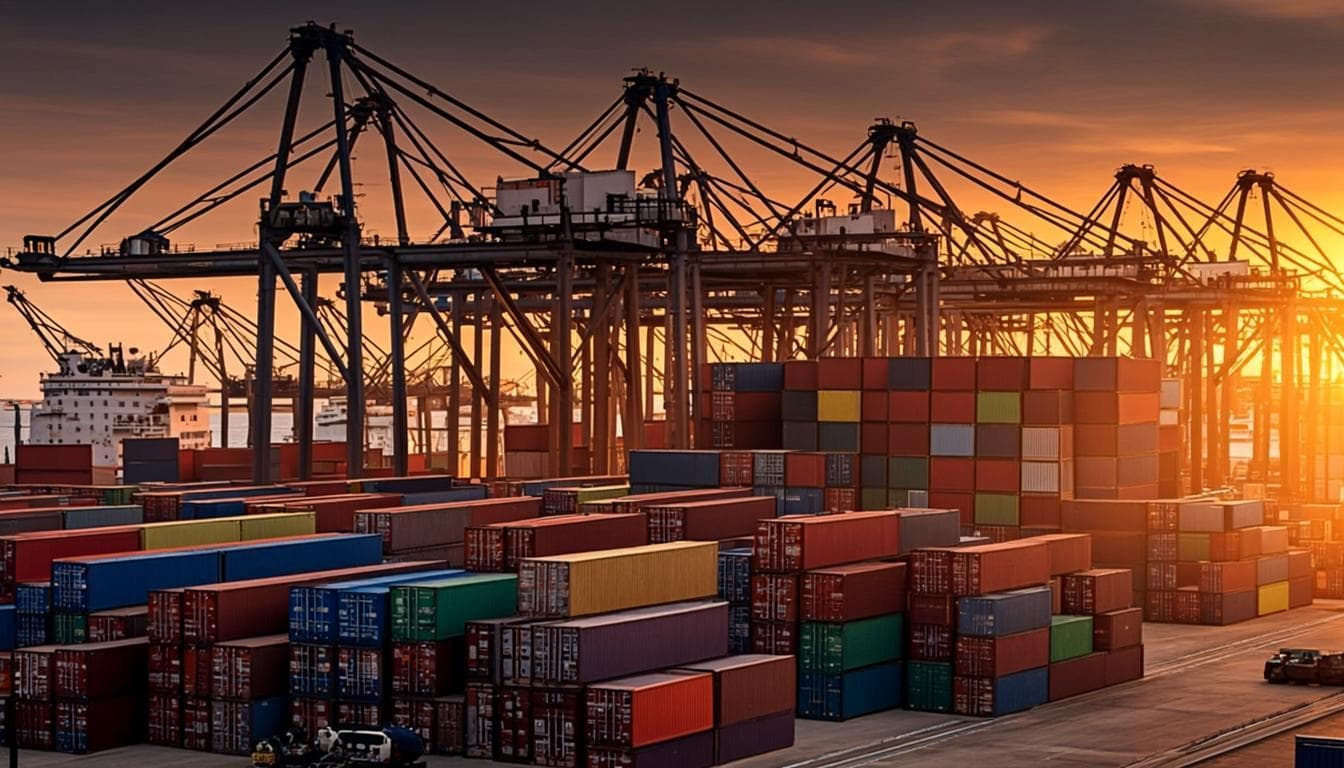
From nearshoring in the Americas to new corridors across Asia and the Gulf, companies are reengineering trade routes for resilience rather than cost alone.

The final stretch of disinflation has historically proven the most challenging, particularly after the pandemic cycle's unique economic disruptions.

The global economy is showing a clear divergence between robust services sectors and struggling manufacturing industries, creating a two-speed economic landscape with distinct regional patterns and policy implications.

Despite positive sentiment reports, consumer spending patterns increasingly tell a different story, creating a puzzling gap that economists and businesses are closely monitoring.

Despite massive investments in artificial intelligence, its measurable impact on productivity remains elusive, creating a fundamental divide among economists about when and how AI will transform business output.

The global shift toward older populations presents fundamental challenges to economic growth, affecting labor markets, savings rates, and pension systems across developed and developing nations.

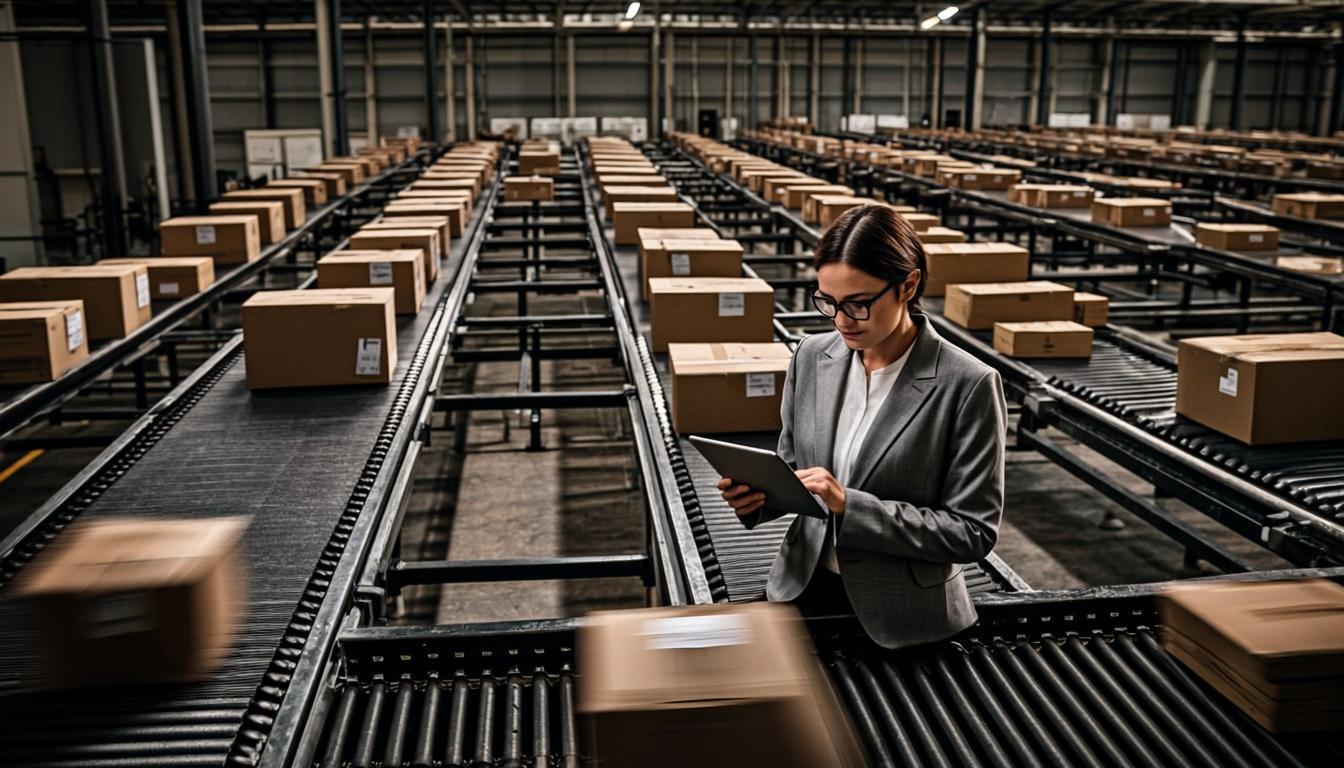
Global supply chains are undergoing a fundamental transformation as companies rebalance between cost efficiency and risk mitigation.