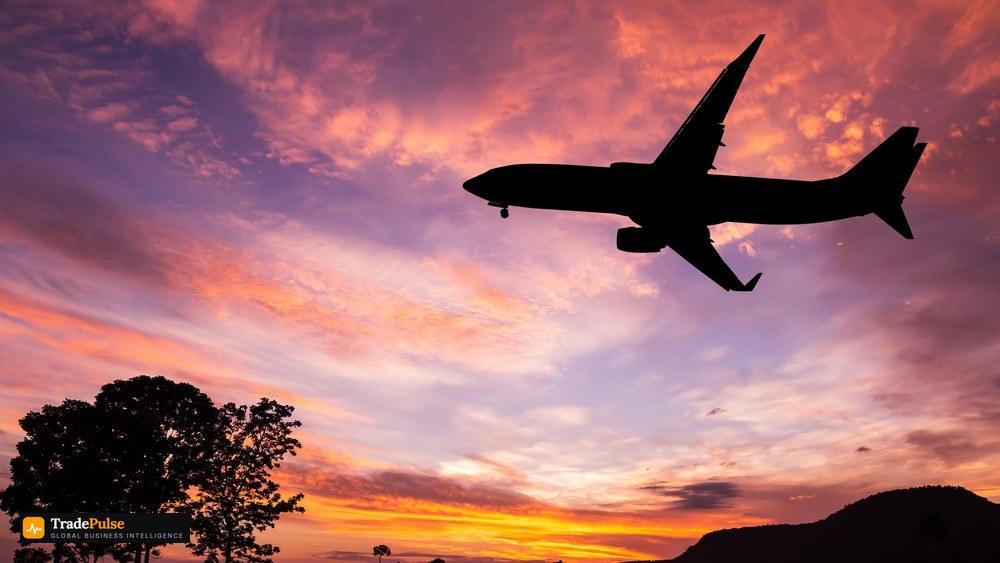
According to TradePulse, the chief executive of British Airways' parent company has warned that tightening green fuel mandates could "kill" European aviation, driving up ticket prices and leaving carriers on the continent at a steep cost disadvantage against global rivals.
- IAG CEO Luis Gallego says mandatory quotas for sustainable aviation fuel amount to "mandates for things that do not exist" because producers cannot supply enough.
- British airlines must currently blend 3.7% SAF into their fuel mix, with the requirement set to rise next year and hit 10% by 2030.
- IAG's nine-month pre-tax profit fell 16% to roughly €3 billion as jet fuel prices surged from March onward.
- UK ministers are weighing rules that would force carriers to buy costlier second- and third-generation SAF.
Steeper SAF Quotas Loom for European Carriers
The amount of sustainable aviation fuel (SAF) that airlines are required to use is due to rise next year under the proposed rules. Today, British carriers' fuel mix must contain 3.7% SAF. After next year's increase, that share is expected to soar to 10% by the end of the decade.
Gallego cautioned that oil companies producing SAF are not making enough of it for airlines to meet the mandated targets. "We have mandates for things that do not exist," he said.
Gallego Demands a "Level Playing Field" for Aviation
The IAG chief argued that the proposed green charges, which weigh more heavily on UK carriers, would raise fares for passengers and damage the industry. "All the European airlines will have a major cost disadvantage to global competitors and this is going to have consequences," he said.
The sector, he added, needs "a level playing field, otherwise we're going to kill European aviation, but we're not going to save the planet."
UK Consultation Weighs Even Costlier Fuel Rules
The warning comes as UK ministers run a consultation on the green fuel plans. One official involved said "a common sense approach" to aviation fuel would let carriers "keep costs down and make it cheaper for families to go on holiday."
Under the options on the table, UK airlines could be required to buy sustainable fuel made from non-food waste or from electricity — known as second- or third-generation SAF — which carries a higher price tag than standard SAF.
Soaring Jet Fuel Costs Squeeze IAG's Bottom Line
The mandate debate lands on an industry already under financial strain. IAG, the London-listed group that owns British Airways, Vueling and Aer Lingus, saw its pre-tax profit dip 16% to about €3 billion in the nine months to the end of September.
The company attributed the hit to a "significant increase in jet fuel prices from March onwards," triggered by the closure of the Strait of Hormuz after the outbreak of war in the Middle East. Industry bosses have warned that elevated fuel costs may push some airlines into collapse next year.
Why It Matters
The standoff highlights a growing fault line between Europe's climate policy and the economics of flying. SAF mandates are designed to decarbonize aviation, but if supply falls short of quotas, carriers must either pay premiums for scarce fuel or face penalties — costs that would likely flow through to fares. Layered on top of a fuel-price shock linked to the Middle East conflict, the rules could widen the cost gap between European airlines and competitors operating outside the EU and UK regulatory regime, potentially reshuffling routes and market share. The outcome of the UK consultation may therefore signal how hard Brussels and London intend to push decarbonization in a sector already fighting for margins.
FAQ
What is the UK's sustainable aviation fuel requirement? British airlines must currently have 3.7% SAF in their fuel mix. The requirement rises next year and is expected to reach 10% by 2030.
Why did IAG's profit fall? Nine-month pre-tax profit dropped 16% to approximately €3 billion, driven by a significant increase in jet fuel prices from March onwards after the Strait of Hormuz closed following the outbreak of war in the Middle East.
What are second- and third-generation SAF? They are sustainable fuels made from non-food waste or electricity. They are more expensive than standard SAF, and UK ministers are considering requiring airlines to buy them.

Comments(0)
Share your thoughts. Comments are moderated and links are not allowed.
No comments yet. Be the first to share your view.
Add a comment