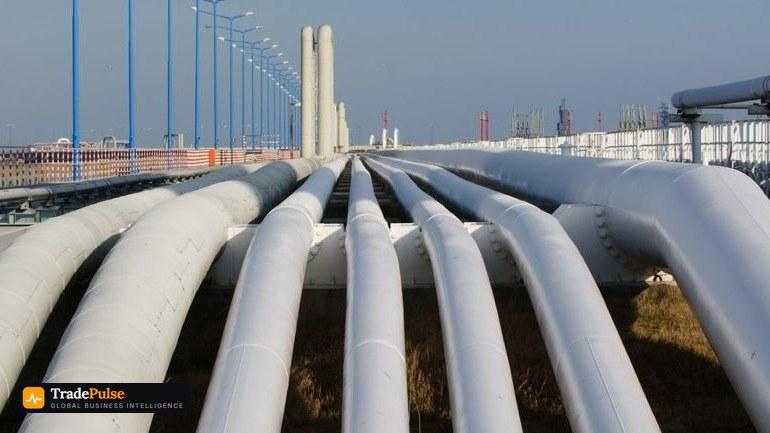
According to TradePulse, Yemen's Houthis fired another major missile salvo deep into Saudi Arabia on Tuesday, with the group claiming fresh strikes on pumping stations along the kingdom's strategic East-West pipeline, an Aramco facility in Abqaiq and Riyadh's financial district. Saudi authorities had not publicly acknowledged the attack or assessed possible damage, though missile alerts were reported across the kingdom.
- Houthi military spokesman Yahya Saree said the group again targeted King Khalid International Airport, multiple East-West pipeline pumping stations, an Aramco facility in Abqaiq and Riyadh's financial district.
- The Saudi-led coalition said its air defenses intercepted and destroyed several missiles over southern Saudi Arabia and Riyadh, plus a drone over the oil-rich Eastern Province.
- Saree warned investors against "keeping their investments in Saudi Arabia"; dozens of major events set for September through November have been suspended or postponed.
- The Houthis continue to block shipping linked to Saudi Arabia or Israel off Yemen's Red Sea coast, with no sign of an off-ramp.
What the Houthis say they struck
Saree announced that the group once again targeted King Khalid International Airport in the capital, as well as multiple pumping stations on the East-West pipeline. He also claimed fresh attacks on an Aramco facility in Abqaiq and on Riyadh's financial district.
It remained unclear whether the financial-district claim referred to the previous day, when a Houthi attack damaged an Aramco office in Riyadh. The spokesman added that the Houthis hit what he called "Saudi enemy troop concentrations" overseen by Saudi officer Badr al-Harbi in the al-Mudharabah and Ras al-Arah districts, claiming "a large number of dead and wounded."
Saudi air defenses active as attacks become a daily occurrence
The Saudi-led coalition fighting the Houthis in Yemen said air defenses intercepted and destroyed several missiles launched toward southern Saudi Arabia and Riyadh. The coalition also reported intercepting a drone over the kingdom's oil-rich Eastern Province.
Cross-border attacks are now arriving daily, and Saudi Arabia has received no major military backing from Western allies such as the United States or Britain — only minimal assistance, chiefly intelligence cooperation. Riyadh has yet to offer any public assessment of whether the latest salvo damaged oil infrastructure.
Investment warning and mounting economic costs
The strikes are hitting the kingdom's economy at a sensitive moment, as Gulf states work to present themselves as stable destinations for foreign capital. Saree directly warned investors and companies against "keeping their investments in Saudi Arabia."
High-profile events hosted in the kingdom keep being canceled on the threat of spillover from Yemen. Dozens of major international events originally scheduled for September, October and November have already been suspended or postponed. The wartime situation tied to both Iran and Yemen is likely to cost Saudi Arabia billions in losses, including through the attacks on Aramco facilities.
Red Sea shipping blockade shows no sign of easing
The Houthis are simultaneously blocking all shipping linked to Saudi Arabia or Israel off Yemen's coast in the Red Sea, adding a maritime front to the campaign. The standoff shows no signs of an off-ramp.
Why it matters for energy markets
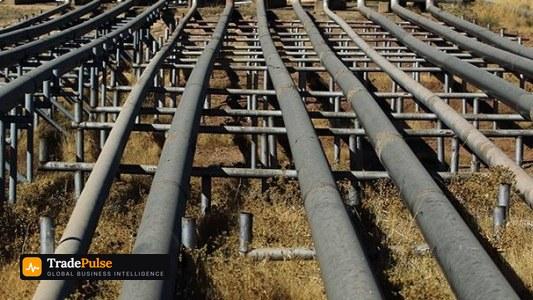
The East-West pipeline is central to Saudi export strategy: it moves crude from the Eastern Province — home to Abqaiq, long the heart of the kingdom's oil processing — to Red Sea terminals, giving Aramco an alternative to export routes through the Strait of Hormuz. Repeated strikes on its pumping stations could signal rising risk to the kingdom's export flexibility and reinforce the geopolitical premium in crude prices. The daily tempo of attacks also undermines the Gulf's investment pitch just as the region courts global capital, suggesting the threat to Saudi energy infrastructure will not fade soon.
FAQ
What targets did the Houthis claim to hit on Tuesday? The group said it struck pumping stations along the East-West pipeline, King Khalid International Airport, an Aramco facility in Abqaiq and Riyadh's financial district, as well as Saudi troop concentrations in the al-Mudharabah and Ras al-Arah districts.
Has Saudi Arabia confirmed the attack? No. Saudi authorities had not acknowledged the strike or assessed possible damage, though the Saudi-led coalition said air defenses intercepted several missiles over southern Saudi Arabia and Riyadh, and a drone over the Eastern Province.
What is the economic impact so far? The wartime situation linked to Iran and Yemen is expected to cost Saudi Arabia billions in losses, dozens of major events planned for September through November have been suspended or postponed, and the Houthis have openly warned investors against keeping money in the kingdom.


Comments(0)
Share your thoughts. Comments are moderated and links are not allowed.
No comments yet. Be the first to share your view.
Add a comment