Critical Minerals and Trade Policy: The New Geopolitical Chessboard
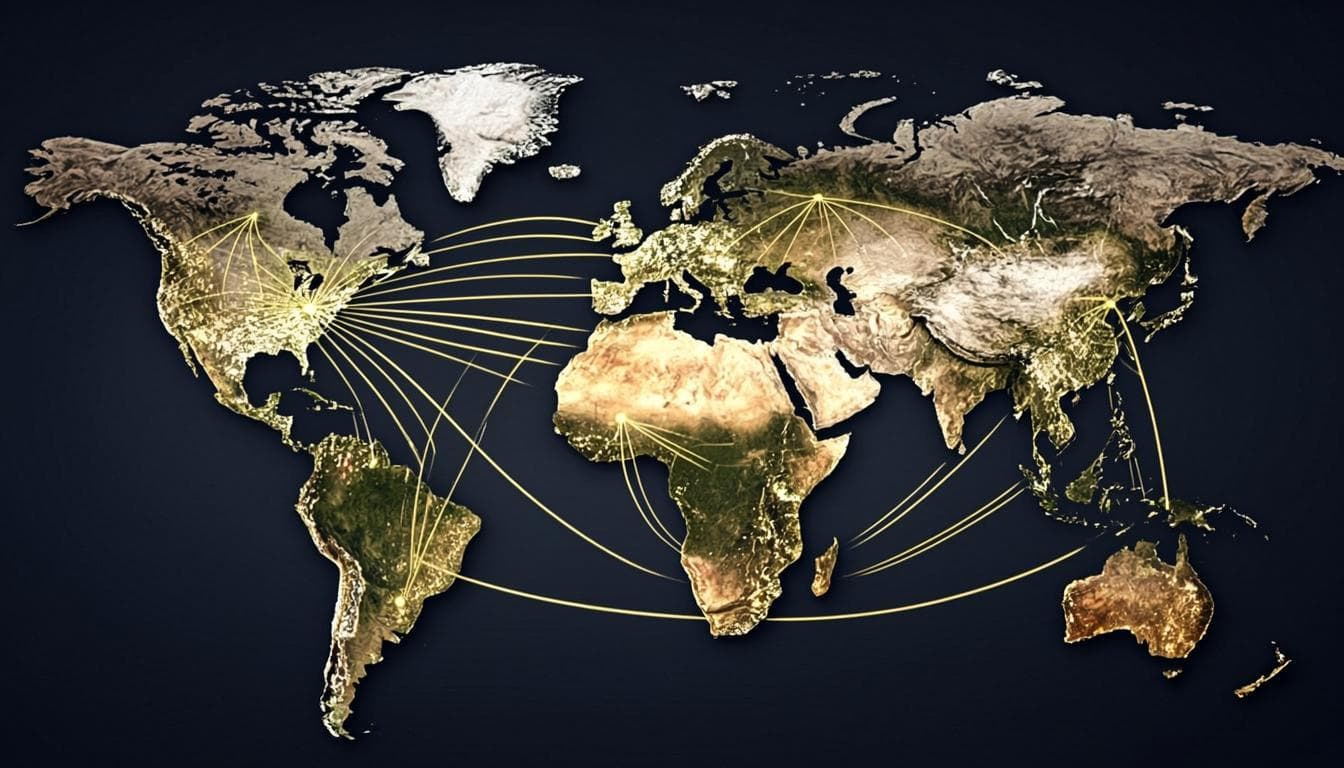
The global race for critical minerals is reshaping international trade relations as nations compete for resources essential to modern technology and clean energy transitions.
47 results for “energy”

The global race for critical minerals is reshaping international trade relations as nations compete for resources essential to modern technology and clean energy transitions.

Latin America is quietly emerging as a strategic trade hub, leveraging nearshoring trends and regional integration to attract global investment.

Businesses are accumulating unprecedented cash reserves amid economic uncertainty, raising questions about future investment and growth.

Corporate boards face critical decisions between returning capital to shareholders and investing in future growth, with significant implications for long-term value creation.

Semiconductors have evolved from mere components to critical geopolitical assets, driving nations to prioritize domestic production capabilities and technological sovereignty.

Edge computing represents a fundamental shift in how data is processed, moving computation closer to the source to reduce latency and enable new real-time applications across industries.

As artificial intelligence demand surges, utilities and grid operators face unprecedented challenges in supplying enough reliable power to data centers, creating a hidden bottleneck that could reshape cloud computing economics.

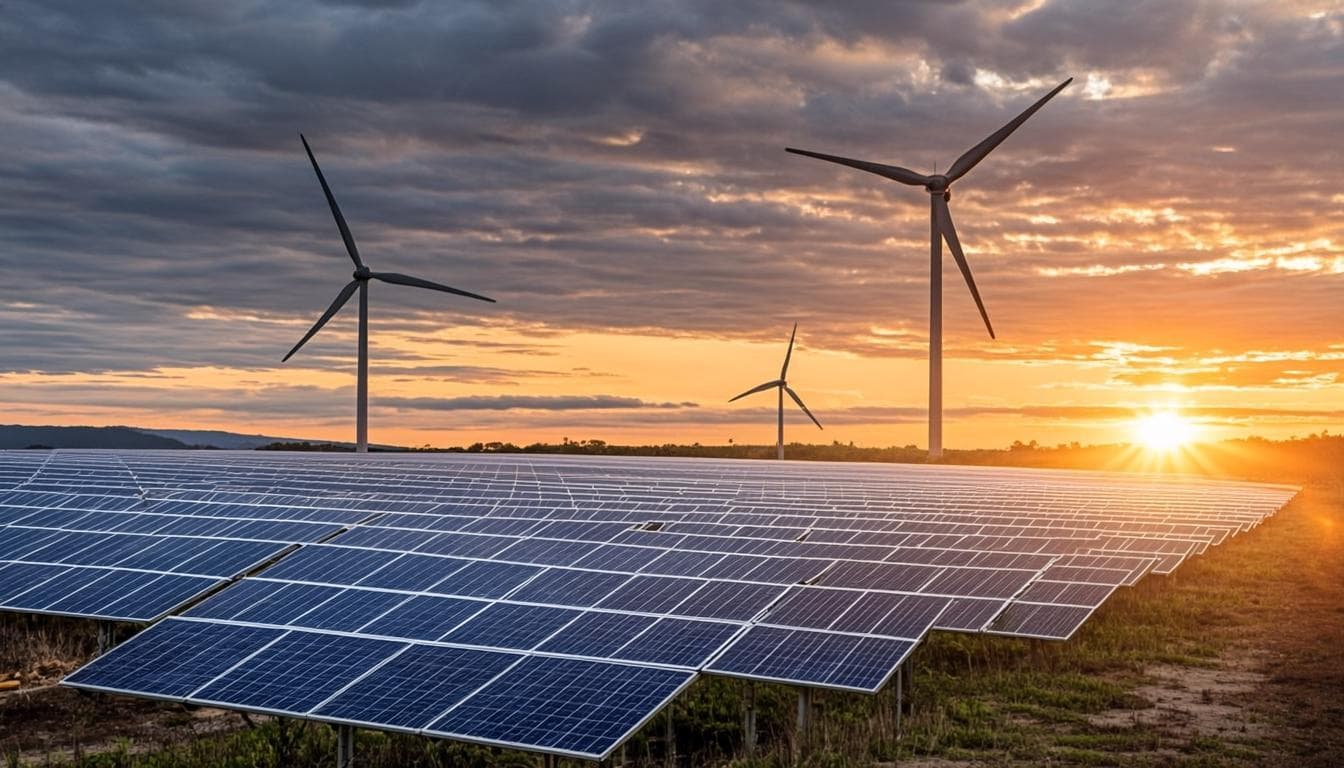
Solar power has achieved a historic milestone, becoming the most cost-effective electricity source in many markets due to decades of technological advancements and economies of scale.

Grid-scale batteries are becoming critical infrastructure for stabilizing renewable energy integration and unlocking new revenue streams for utilities.

Analysts clash on when global oil demand will peak, with disagreements stemming from varying assumptions about EV adoption, petrochemical growth, and emerging market development.