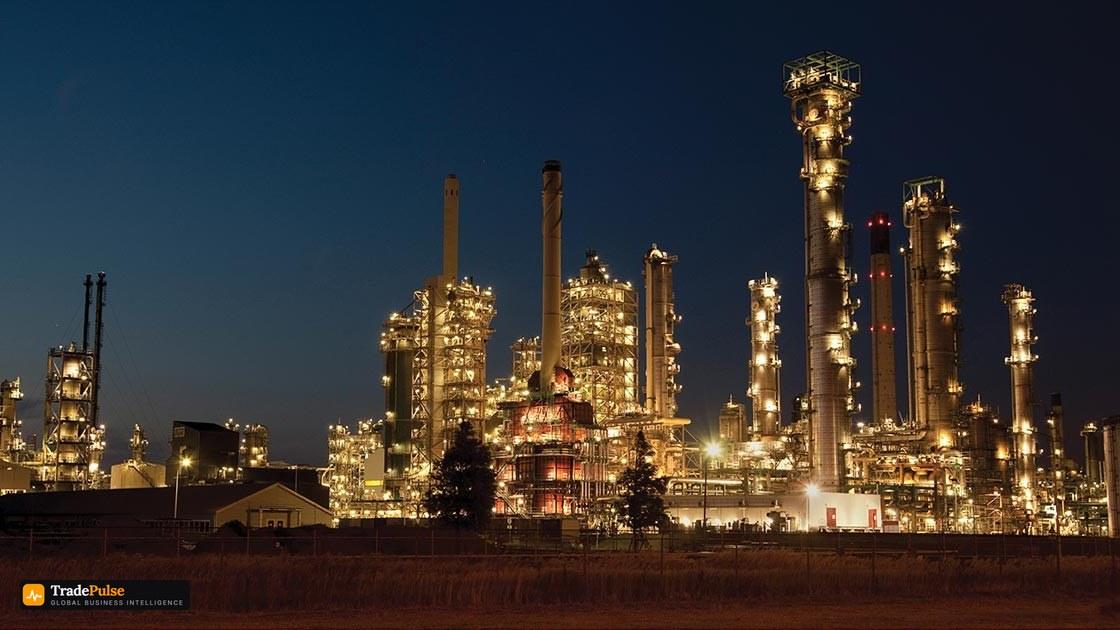
According to TradePulse, scientists have developed a low-cost polymer membrane that could revolutionize oil refining by reducing energy consumption by up to 32%. This breakthrough technology separates crude oil at room temperature, potentially eliminating the need for energy-intensive heating processes currently required in refining operations.
The research, conducted by scientists from the Korea Advanced Institute of Science and Technology (KAIST) and the Georgia Institute of Technology, introduces a novel approach to crude oil fractionation. Instead of using expensive specialized coatings as previous attempts, the team passed crude oil directly through a bare porous polyacrylonitrile (PAN) membrane—a chemically stable and inexpensive polymer commonly used as a support material in industrial membranes.
When crude oil passes through this membrane at room temperature, heavy hydrocarbons selectively stick to the pore walls, gradually narrowing them to create separation channels smaller than 2 nanometers. This spontaneous "clogging" mechanism allows the membrane to deliver crude oil permeation rates approximately 23 times higher than previously reported state-of-the-art membranes while maintaining stable performance for 28 consecutive days.
"One of the key challenges facing membrane systems for crude oil separation was the low productivities of the membrane units," said Professor Ryan Lively from Georgia Tech. "The PAN membranes with their surprising separation mechanism dramatically increase the productivity of the membrane unit, to the point where industry should seriously consider adopting the technology."
The economic implications of this technology are significant. The membrane can be integrated into existing refineries through simple retrofits by adding modular filtration units without requiring massive investments. Process simulations showed that using the membrane as a pretreatment step before conventional distillation could reduce energy consumption by 31.6%, carbon dioxide emissions by 37.6%, cooling water usage by 20.7%, and operating costs by 36%.
This development comes amid growing pressure on the oil industry to reduce its environmental footprint while maintaining economic viability. The global refining sector, which processes approximately 90 million barrels of oil daily, accounts for a substantial portion of industrial energy consumption and emissions. Any technology that can significantly reduce this environmental impact while improving profitability represents a major advancement for the industry.
The researchers believe this membrane technology could also be applied in other chemical separation processes in the petrochemicals and waste plastics recycling industries. "Our goal is to precisely control this spontaneous pore-constriction phenomenon and develop it into a membrane platform applicable to the entire refining process," said Dr. Jihoon Choi and Dr. Hyeokjun Seo of KAIST, the study's co-first authors. "We also aim to expand the technology to plastic recycling, biofuel purification, and other sustainable chemical processes that support carbon neutrality."
Source: rss.app




Comments(0)
Share your thoughts. Comments are moderated and links are not allowed.
No comments yet. Be the first to share your view.
Add a comment